Personalized Medical Care & Dedicated International Patient Concierge
Medical Guide
Rhinoplasty Post Op Care Guide 2026 Baroko Plastic Surgery
Master your rhinoplasty post op care with this 2026 guide from Dr Jun Kim. Step by step instructions for a safe recovery. Book your Seoul consultation today.
Schedule a Consultation
Rhinoplasty Post Op Care Complete Aftercare Instructions For 2026
Effective rhinoplasty post op care is the bridge between a successful surgery and your final aesthetic result. You have spent months or even years researching the perfect surgeon and finally achieved the nose profile of your dreams at Baroko Plastic Surgery in Seoul. However the surgery itself is only half the battle toward a perfect outcome. The real transformation happens during your rhinoplasty post op care period when your body begins the intricate work of healing and settling into its new shape. For patients traveling from New York City or Los Angeles the recovery period can feel overwhelming and full of uncertainty. Rachel might worry about permanent swelling while Rafael is concerned about when he can return to his active lifestyle without damaging his functional results.
By the end of this guide you will understand the day by day breakdown of your first week of recovery and professional wound care secrets to minimize scarring. We will discuss how to manage swelling using Baroko specialized recovery programs and vital safety protocols to protect your autologous cartilage grafts. As a board certified ENT specialist with over twenty years of experience and two hundred annual surgeries Dr Jun Kim provides these instructions to ensure your aesthetic and functional results are preserved.
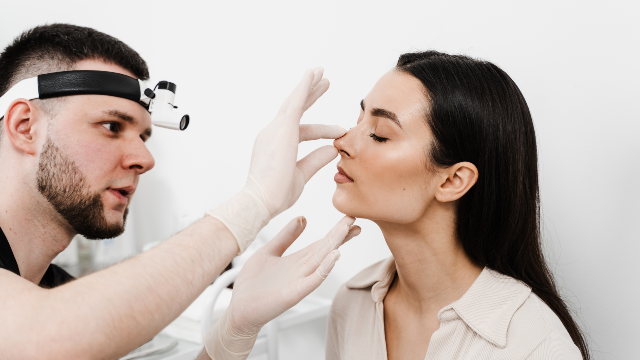
Essential Foundations Of Rhinoplasty Post Op Care
The foundation of a successful recovery starts with understanding the biological requirements of your body as it heals. Rhinoplasty is a delicate procedure that involves adjusting bone and cartilage to create a harmonious facial appearance. Because Baroko Plastic Surgery is led by an ENT specialist our approach to rhinoplasty post op care is unique. We do not just look at the outside of the nose. We prioritize the internal structures and the ability to breathe just as much as the external beauty. This specialized medical perspective ensures that your recovery is smooth and that your results last a lifetime.
The Baroko Philosophy Function Meets Aesthetics
The Baroko philosophy centers on the idea that a beautiful nose must also work perfectly. This is why Dr Jun Kim emphasizes the protection of the nasal valve during the healing phase. When a patient undergoes rhinoplasty the internal airways are often manipulated. If the recovery is not managed correctly internal swelling can lead to long term breathing issues. By following specific rhinoplasty post op care protocols you are protecting the structural integrity of your nose.
We often use autologous cartilage particles instead of synthetic implants. This unique technique is a cornerstone of our clinic. Using your own cartilage means there is a much lower risk of rejection or infection. However this also means that the cartilage needs a stable environment to integrate into its new position. The stability of autologous cartilage particles compared to traditional implants is significant but it requires the patient to be diligent during the early stages of aftercare. You are essentially growing a new part of your nose and that growth requires a calm and protected environment.
Your Immediate Aftercare Kit
When you leave our clinic in Gangnam you will be provided with a comprehensive aftercare kit. This kit contains everything you need to manage your rhinoplasty post op care in the initial days. One of the most important items is the nasal drip pad. This is a small piece of gauze that sits under your nostrils to catch any minor drainage. It is normal to see some pink or light red fluid in the first twenty four to forty eight hours.
Your kit will also include a custom nasal splint. This splint is the primary protector of your new nasal shape. It keeps the bones and cartilage in place while the initial healing begins. For those who undergo our non open rhinoplasty the external scarring is minimized but the internal splinting remains vital. The non open technique changes the wound care approach slightly because there are fewer external incisions to manage but the internal environment still needs constant moisture and protection. We also provide specialized saline sprays and ointments that are essential for keeping the nasal mucosa healthy.
The Golden Rules Of Early Recovery
There are several non negotiable rules that every patient must follow during their rhinoplasty post op care. The first and most important rule is that you must not blow your nose. Blowing your nose creates immense internal pressure that can shift cartilage or cause internal bleeding. If you feel congested you must use the saline sprays provided to gently clear the area.
Elevation is another critical factor. You must keep your head elevated at a forty five degree angle at all times even while sleeping. This uses gravity to help fluid drain away from your face which reduces swelling and bruising. We also advise all patients to avoid blood thinners and certain herbal supplements. These can increase the risk of bleeding and complicate the healing process. Following these golden rules creates the best possible environment for your body to repair itself after surgery.
Dr Jun Kim often notes that recovery is a biological process that cannot be rushed. In our rhinoplasty post op care protocols we prioritize internal structural stability as much as external refinement. This patient first approach is why so many individuals from the United States choose Baroko for their transformation.
The First Seventy Two Hours Critical Recovery Instructions
The first three days after your surgery are often the most challenging but they are also the most important for your long term results. During this window your body is responding to the surgical changes with an inflammatory response. Understanding exactly what to do each hour can alleviate anxiety and ensure you stay on the right path. Proper rhinoplasty post op care during these seventy two hours sets the stage for everything that follows.
Day One The Hour Of Surgery And Beyond
Immediately after surgery you will feel groggy from the anesthesia. It is important to have a friend or a patient coordinator help you get back to your accommodation. For the first few hours your main goal is rest. You will likely have a drip pad under your nose which will need to be changed as it becomes saturated.
Do not be alarmed by minor bleeding. This is a standard part of the process. You should stick to a liquid diet for the first several hours. Cold water and juices are excellent choices to keep you hydrated. Avoid hot liquids or spicy foods as these can increase blood flow to the face and potentially trigger a nosebleed. We recommend small frequent sips of water to keep your throat moist especially if you feel dry from breathing through your mouth.
Day Two The Peak Of Swelling
Day two is typically when patients feel the most discomfort. This is because swelling often peaks forty eight hours after the procedure. You may notice swelling around your eyes and cheeks. This is a normal part of the body healing response.
The best way to manage this is through the consistent use of ice packs. You should apply cold compresses to your forehead and cheeks but never directly on the nose itself. The weight of an ice pack on the nose could shift the delicate internal structures. Apply the cold for twenty minutes on and twenty minutes off. You should also pay attention to your vision. If you experience minor blurry vision due to swelling this is common but if you have any sudden changes you should contact our team immediately.
Day Three Transitioning To Soft Foods
By the third day you may start to feel more like yourself. The initial grogginess will have faded and you can begin to eat soft foods. Think of things like scrambled eggs or porridge. Chewing very hard or crunchy foods should be avoided because the repetitive motion of the jaw can cause discomfort near the base of the nose.
This is also a good time to start light pacing around your room. You should not be doing any heavy exercise but walking gently helps with blood circulation and prevents the risk of blood clots. It is important to keep your movements slow and controlled. Do not bend over to pick things up as this sends a rush of blood to the head which can cause throbbing or bleeding.
- Day One Timeline Activity Level Medication Schedule
- Day One Bed Rest Every four to six hours
- Day Two Minimal Movement Scheduled as prescribed
- Day Three Light Pacing As needed for comfort
Following these step by step instructions ensures that you are managing the most sensitive part of your recovery with professional care.
Week One Detailed Wound Care And Splint Removal
As you move through the first week your rhinoplasty post op care will shift from immediate pain management to active wound care. This is the period where the incisions begin to close and the internal tissues start to stabilize. If you have had autologous cartilage grafts this is a vital time for those grafts to begin their integration.
Managing The Incision And Sutures
Proper wound care is essential to prevent infection and ensure that any scars are nearly invisible. If you had a non open procedure the incisions are inside the nostrils. For open procedures there is a small incision on the columella. We recommend using a saline spray several times a day. This keeps the internal environment moist and prevents the formation of hard crusts.
If crusts do form do not pick at them. Picking can pull on the sutures and damage the healing skin. Instead use a cotton swab soaked in a mixture of hydrogen peroxide and sterile water to gently dab the area. After cleaning apply a thin layer of the antibiotic ointment we provided. This creates a protective barrier against bacteria and keeps the skin supple. If you have a donor site from an ear or rib cartilage graft that area also needs to be cleaned and protected according to our specific instructions.
Day Seven The Splint Removal Milestone
The seventh day is one of the most exciting moments in your rhinoplasty post op care journey. This is when you return to the Baroko clinic in Gangnam to have your splint and sutures removed. Dr Jun Kim will carefully take off the protective gear and you will get your first look at your new nose.
It is important to remember that the nose will still be very swollen at this point. In fact it may look larger than you expected. This is because the splint was providing compression and once it is removed the tissues may expand slightly. Do not worry. The shape you see on day seven is just a hint of the final result. We will provide you with specific feedback on how your tissues are responding and we may apply medical tape to help control the swelling for the next few days.
Professional Recovery Capsule Therapy
At Baroko we offer advanced technology to help speed up your recovery. One of our most popular programs is high pressure oxygen therapy or recovery capsule therapy. This involves sitting in a specialized chamber where you breathe pure oxygen at higher than normal atmospheric pressure.
This process floods your blood with oxygen which is the fuel your cells need to repair tissue. It significantly reduces bruising and swelling which is especially helpful for our international patients from NYC or LA who want to look their best before flying home. It is this combination of expert surgical skill and cutting edge post operative technology that sets Baroko apart from other clinics.
Dr Jun Kim emphasizes that during the first week of rhinoplasty post op care keeping the nasal mucosa moist is our top priority to prevent crusting and ensure easy breathing. This focus on functional health ensures a more comfortable experience for every patient.
Weeks Two To Four Gradual Return To Normalcy
Once you pass the one week mark the most intense part of your rhinoplasty post op care is behind you. However the weeks that follow are a critical time for long term stability. This is when many patients start to feel overconfident and may accidentally push themselves too hard. It is important to stay disciplined even as you start to look and feel better.
Taping Protocols And Skin Care
After the splint is removed we often recommend that patients continue to tape their nose at night. This helps to provide gentle compression and minimizes the morning swelling that many people experience. We will show you exactly how to apply the medical tape so that it supports the bridge and the tip without being too tight.
You might also notice that the skin on your nose becomes quite oily. This is a common reaction to being covered by a splint for a week. You can gently clean your skin with a mild non abrasive cleanser. Avoid any harsh chemical peels or heavy scrubs for at least six weeks. If you experience small breakouts around the surgical site do not squeeze them. Gently apply a spot treatment and let the skin heal on its own.
Activity Restrictions For The Active Patient
For patients like Rafael who enjoy the gym the second to fourth week can be frustrating. You must still avoid any heavy lifting. A good rule of thumb is the gallon of milk rule. If it weighs more than a gallon of milk do not lift it. Heavy lifting increases your blood pressure which can cause the delicate vessels in your nose to burst or swell.
| Activity | Timeline OK To Start | Notes |
|---|---|---|
| Light Walking | Day 1 | Highly recommended to promote healthy blood circulation and prevent clots |
| Household Chores | Week 2 | Avoid any bending forward lifting heavy objects or strenuous scrubbing |
| Low Impact Cardio | Week 4 | Stationary cycling or light jogging is acceptable if swelling does not increase |
| Heavy Weightlifting | Week 6 | Ensure your blood pressure remains stable to protect delicate nasal valves |
| Wearing Standard Glasses | Week 6 | Avoid resting frames on the nasal bridge or use protective forehead tape |
| Contact Sports | Month 3 | Crucial to avoid any accidental bumps to the autologous cartilage grafts |
You can start taking longer walks and even do some very light lower body exercise that does not involve straining or bending over. Avoid any activity where there is a risk of something hitting your face. This includes sports like basketball or even playing with active pets. Your nose is still in a malleable state and a sudden impact could significantly alter your results.
Traveling Back To New York City Or Los Angeles
Many of our patients travel from across the globe. Flying post op requires some special considerations. The dry air in an airplane cabin can be very irritating to a healing nose. We recommend that you continue using your saline spray every hour while in the air.
You should also be aware of cabin pressure changes. Chewing gum or using a decongestant spray before takeoff and landing can help manage the pressure in your ears and sinuses. Most patients are cleared to fly seven to ten days after surgery but we will give you a personalized recommendation based on your specific healing progress.
Months One To Twelve Advanced Rhinoplasty Post Op Care For Long Term Results
Recovery from a rhinoplasty is not a sprint. It is a marathon. While you will look great after a month the internal structures of your nose will continue to change for up to a full year. This is the long game of nasal remodeling and understanding these phases will help you stay patient and positive.
The Three Phases Of Swelling
Swelling does not disappear all at once. It happens in three distinct phases. The first phase is the edema phase which lasts through the first month. This is the visible fluid that makes your face look puffy. The second phase is the firmness phase which usually happens between months two and six. During this time your nose might feel hard to the touch. This is because of the internal scar tissue and the healing of the cartilage grafts.
The final phase is the refinement phase. This occurs from month six to month twelve. This is when the skin finally shrinks down to the new underlying structure. The tip of the nose is usually the last place for swelling to resolve. If you have had a revision rhinoplasty this process can take even longer sometimes up to eighteen months.
| Day | Symptoms | Treatment |
|---|---|---|
| Day 1 | Acute swelling and moderate bleeding with pink fluid leakage | Change the nasal drip pad regularly and maintain continuous head elevation |
| Day 2 | Peak swelling around the nose and eyes with potential bruising | Apply cold compress ice packs to cheeks and eyes but never directly on the nose |
| Day 3 | Swelling stabilizes but nasal congestion increases due to internal edema | Continue elevation and transition to soft foods to minimize jaw movement |
| Days 4 to 7 | External swelling begins to decrease and bruising changes color | Attend the Baroko clinic for professional nasal splint and suture removal |
| Weeks 2 to 4 | Major swelling subsides and the primary structural shape becomes visible | Begin specialized medical taping protocols to manage remaining fluid retention |
| Months 2 to 6 | Persistent firmness in the nasal tip and minor asymmetrical swelling | Practice gentle skin care and avoid prolonged direct sun exposure |
| Months 6 to 12 | Gradual refinement of the nasal tip as the tissues fully heal | Final aesthetic and functional results manifest as cartilage integrates |
Sun Protection And Scar Management
The skin on your nose is very sensitive after surgery. Exposure to the sun can cause permanent hyperpigmentation of the incision lines or cause the swelling to linger. It is essential to wear a wide brimmed hat and apply a high quality sunscreen every single day even if it is cloudy.
If you have an external incision we may recommend silicone gel sheets or specific massage techniques to help flatten the scar. However you should only start these once Dr Jun Kim gives you the green light. Massaging the nose too early can shift the cartilage grafts especially the autologous cartilage particles that are still settling into place.
Managing Revision Expectations
It is natural to scrutinize your nose in the mirror every day. However we strongly advise against making any judgments about your final result until at least one year has passed. Minor asymmetries are common during the healing process as one side of the nose may swell more than the other.
At Baroko we believe in the beauty of natural results. If after a full year there are minor refinements needed we can discuss them then. Jumping into a revision too early is dangerous because the tissues are still healing and a second surgery could cause more harm than good. Patience is a vital part of your rhinoplasty post op care toolkit.
Identifying And Preventing Complications
While complications are rare especially with an experienced surgeon like Dr Jun Kim it is important to know what to look for. Being proactive can prevent a minor issue from becoming a major problem. Our goal is to provide you with the knowledge to feel secure throughout your recovery.
Red Flags When To Contact Dr Kim
You should contact our clinic immediately if you experience any of the following red flags. A high fever or chills could indicate an infection. While we provide prophylactic antibiotics infections can still occur. If you have sudden extreme pain that is not managed by your medication this is also a reason to call us.
Excessive bleeding that does not stop after applying gentle pressure is a medical emergency. You should also look for sudden and extreme asymmetry that was not there before. While some asymmetry is normal a sudden shift could mean a graft has moved. Knowing the difference between normal post op discomfort and a true complication is key to your peace of mind.
Protecting The Bridge And Tip
Your nose is the most prominent feature on your face and it is easy to accidentally bump it. You must be extra careful when putting on clothes. Choose button down shirts instead of t shirts to avoid pulling fabric over your face.
If you wear glasses you should not let them rest on the bridge of your nose for at least six weeks. The weight of the frames can cause a permanent indentation in the healing bone or cartilage. We recommend taping your glasses to your forehead or using a specialized device that suspends them off the bridge. These small adjustments in your daily life are a critical part of protecting your investment and ensuring a beautiful result.
Why Choose Baroko Plastic Surgery For Rhinoplasty
Choosing where to have your surgery is a major decision. Baroko Plastic Surgery offers a unique blend of medical expertise and patient centered care that is difficult to find elsewhere. Our focus on autologous cartilage and ENT led surgery ensures that you are getting the best possible care for both your appearance and your health.
Dr Jun Kim Expertise And Experience
Dr Jun Kim brings over twenty years of board certified ENT experience to every procedure. He has served as an adjunct professor at Samsung Medical Center which is one of the most prestigious medical institutions in Korea. His deep understanding of nasal anatomy means he can handle even the most complex cases including difficult revision surgeries and contracted nose repairs.
He performs approximately two hundred surgeries every year which gives him a level of mastery that only comes with high volume and consistent practice. When you choose Dr Kim you are choosing a surgeon who understands the delicate balance between the form of the nose and its function.
Autologous Cartilage Particles Our Difference
One of the main reasons patients travel from the United States to Baroko is our use of autologous cartilage particles. Many clinics use silicone or gore tex implants which can cause problems years down the road. These synthetic materials can shift or cause the skin to thin and they always carry a risk of infection or rejection.
By using your own cartilage we create a result that is permanent and feels natural. There is no risk of a foreign body reaction. This technique requires a high level of skill to execute properly but the results are worth it. Your nose will feel like a natural part of your face because it is made from your own tissue.
International Patient Support
We understand that traveling to Seoul for surgery is a big commitment. That is why we offer comprehensive support for our international patients. We have English speaking staff who can help you with everything from booking your initial consultation to finding the best places to stay in Gangnam.
Our care does not end when you leave Korea. We offer virtual follow up consultations via video call to monitor your progress once you return to NYC or LA. This ensures that you have access to Dr Kim expertise throughout your entire year of recovery. We are dedicated to making your journey as smooth and stress free as possible.
How To Book Your Consultation
Taking the first step toward your new look is easy. We have designed our consultation process to be accessible for patients no matter where they are located in the world.
Step One Schedule Virtual Consultation
The first step is to reach out to us via WhatsApp or email. We will ask you to send several clear photos of your nose from different angles. Dr Jun Kim will review these photos and provide a preliminary assessment. We can then schedule a virtual consultation to discuss your goals and answer any questions you may have about the procedure or your rhinoplasty post op care.
Contact Information
📞 Phone:
💬 WhatsApp: Click Here
📧 Email:
🌐 Website: https://www.barokoplasticsurgery.com
📍 Location: Baroko Plastic Surgery, Seocho-gu, Seoul, South Korea
🕐 Hours: From Monday 10:00am - 7:00pm Tuesday 10:00am - 7:00pm Wednesday 10:00am - 7:00pm Thursday 10:00am - 7:00pm Friday 10:00am - 7:00pm Saturday 10:00am - 4:00pm Sunday Closed
Conclusion
Successful rhinoplasty post op care requires a combination of patience and precision. From the critical first seventy two hours of icing and rest to the one year mark of final refinement every step you take is an investment in your future appearance and health. By following the professional instructions provided by Baroko Plastic Surgery you ensure that your new nose is as functional as it is beautiful.
Our team is dedicated to supporting you throughout this entire journey. Whether you are coming to us for a primary rhinoplasty or a complex revision we have the expertise and the technology to deliver exceptional results. Dr Jun Kim twenty years of experience as an ENT specialist provides a level of security that is unmatched. We combine this medical authority with a warm and reassuring environment in the heart of Gangnam.
Ready to transform your profile and improve your quality of life. Contact Baroko Plastic Surgery today to schedule your virtual consultation and start your journey to Seoul. We are here to help you every step of the way from your first inquiry to your final post operative checkup. Your dream nose is within reach and we look forward to helping you achieve it.
Author Bio
Dr Jun Kim is the Chief Director of Baroko Plastic Surgery. He has over twenty years of experience as a board certified ENT specialist and rhinoplasty surgeon. Having performed thousands of successful procedures he is a recognized expert in autologous cartilage techniques and functional nasal surgery. He is a member of the Korean Society of Plastic and Reconstructive Surgeons and has served as an adjunct professor at Samsung Medical Center.
For consultations : | | WhatsApp
More Articles
Continue reading our clinical guides.
Types of Rhinoplasty: All Techniques Explained | Baroko
Explore every type of rhinoplasty open, closed, non-open, revision and implant-free explained by Dr. Jun Kim, Seoul ENT rhinoplasty expert with 20+ years.
Learn MoreRhinoplasty Results Timeline: Month 1 to Year 1 Complete Guide
Detailed month-by-month rhinoplasty results guide. See when swelling subsides, when to expect final results, and what natural outcomes look like.
Learn MoreMale Rhinoplasty In Seoul: Natural And Masculine Results | Baroko
Seeking a masculine, natural result? Expert rhinoplasty for men in Seoul by Dr. Jun Kim. ENT led, implant free techniques for breathing and aesthetics. Book your Zoom consult.
Learn More