Personalized Medical Care & Dedicated International Patient Concierge
Medical Guide
Rhinoplasty Recovery Timeline Month By Month Results Guide
Master your rhinoplasty recovery timeline with expert advice from Dr. Jun Kim. Detailed month by month expectations for healing, swelling, and results.
Schedule a Consultation
Rhinoplasty Recovery Timeline: Month By Month Expectations From Surgery To Final Results
Understanding your rhinoplasty recovery timeline is the first step toward a confident transformation. For many patients traveling from New York City or Los Angeles to Seoul, the journey toward a new profile is as much about the healing process as it is about the surgical procedure itself. At Baroko Plastic Surgery, we prioritize a transparent approach to recovery, ensuring that every patient knows exactly what to expect from the moment they leave the operating room until their final results are visible.
The recovery process is a unique biological journey that varies from person to person. While the surgery itself may only take a few hours, the body requires significant time to integrate changes, especially when using advanced techniques like autologous cartilage particles. This guide provides a comprehensive breakdown of the healing stages, helping you navigate the emotional and physical aspects of your transformation.
Rachel and Sophia, like many of our international patients, often arrive with concerns about social downtime and the appearance of the nose during the early stages. It is normal to feel a mix of excitement and anxiety. By following a structured rhinoplasty recovery timeline, you can manage these feelings with factual information and expert guidance.
As a board certified ENT and rhinoplasty specialist with over 20 years of experience and 200 plus surgeries annually, Dr. Jun Kim at Baroko Plastic Surgery ensures that every rhinoplasty recovery timeline is backed by advanced 3D CT diagnostics and personalized care. This medical expertise is crucial for achieving both aesthetic beauty and functional health.
By the end of this guide, you will understand the day by day breakdown of the first week in Seoul, how autologous cartilage particles speed up natural integration, and the difference between functional and aesthetic milestones. We will also cover long term expectations for tip definition and provide a clear plan for your return to the United States.

The Immediate Rhinoplasty Recovery Timeline Days 1 To 7
The first week of the rhinoplasty recovery timeline is the most intensive period of physical change as the body begins the acute inflammatory response to surgery. During these initial seven days, patients focus on managing swelling, following post operative instructions, and attending follow up appointments at Baroko Plastic Surgery in Seoul.
Rhinoplasty recovery timeline is a structured chronological guide that outlines the stages of healing for patients after nasal surgery to ensure optimal results. It helps patients understand the progression of swelling, bruising, and structural stabilization from the first day through the first year of the post operative period.
The First 24 Hours: Managing Comfort
The first day after your procedure is dedicated to rest and stabilization. You will likely wake up with a nasal splint and potentially some internal packing. At Baroko Plastic Surgery, we often use breathable materials to minimize discomfort, but some mouth breathing is expected during this time.
Head elevation is the most critical factor during the first 24 hours. By keeping your head above your heart, even while sleeping, you significantly reduce the initial surge of fluid to the facial tissues. This simple action helps prevent excessive pressure on the delicate surgical site.
Pain management is handled through a personalized regimen. Most patients describe the sensation as a heavy pressure or a dull ache rather than sharp pain. Dr. Kim ensures that all patients have a clear understanding of their medication schedule before they leave the clinic.
Days 2 To 3: Peak Swelling And The Look
Day two and day three are often the most challenging from a visual perspective. This is when swelling and bruising typically reach their peak. It is common for the swelling to spread to the cheeks and around the eyes, which can be startling if you are not prepared for it.
During this stage, the use of cold compresses around the eyes and cheeks, but not directly on the nose, can provide relief. It is a period where patience is required as the body works through the height of the inflammatory phase. You may feel a sense of congestion similar to a severe cold.
Wait for the swelling to subside before judging the initial shape of your nose. The inflammation can temporarily distort the appearance of the nostrils or the bridge, but this is a normal part of the early rhinoplasty recovery timeline. Staying hydrated and avoiding salty foods will help manage the fluid retention during these peak days.
Baroko’s Recovery Capsule Therapy
To enhance the healing process, Baroko Plastic Surgery offers specialized Recovery Capsule Therapy. This technology involves a pressurized oxygen environment that increases the amount of oxygen in the bloodstream. Higher oxygen levels are scientifically proven to accelerate tissue repair and reduce inflammation.
Recovery Capsule Therapy is a specialized medical treatment that uses pressurized oxygen to accelerate cellular repair for patients recovering from surgery. It supports the immune system and helps the body process the initial trauma of surgery more efficiently, which is especially beneficial for international travelers.
Dr. Jun Kim notes that the first 72 hours are about cellular stabilization. By utilizing oxygen therapy, we can shorten the period of peak swelling and help patients feel more comfortable sooner. This is part of our commitment to using advanced medical technology to support our patients.
Week 1 To Week 2: The Unveiling Phase
The transition into the second week of the rhinoplasty recovery timeline marks a significant shift as external splints are removed and patients begin to see the first glimpse of their results. During this phase, the initial intense swelling begins to resolve, and the focus shifts toward returning to light daily activities and planning for travel.
The unveiling phase is the period between the seventh and fourteenth day after surgery when the external nasal support is removed and the patient begins to see the initial surgical outcome. It is a time of high emotional significance as the most visible signs of surgery start to fade.
Splint And Suture Removal
The removal of the nasal splint usually occurs around day seven. This is a momentous occasion for many patients. When the splint comes off, the nose will still be quite swollen, and the tip may appear more upturned than intended. This is known as the piggy look, and it is entirely temporary.
Sutures are also removed at this stage. If you had an open rhinoplasty, the small incision on the columella will begin to fade over the coming weeks. Dr. Kim and the clinical team will provide detailed instructions on how to care for the incision site to ensure minimal scarring.
It is important to remember that the nose is still very delicate. While the splint is gone, the underlying structure is still in the early stages of knitting together. You must continue to avoid any activities that could result in accidental impact to the face.
Travel Safety For International Patients
For our patients returning to New York City or Los Angeles, the end of the second week is usually when they are cleared to fly. Air travel requires specific precautions to manage cabin pressure changes and the dry environment of the airplane.
We recommend using saline nasal sprays every hour during the flight to keep the internal membranes moist. Staying hydrated and avoiding alcohol is also essential. Walking around the cabin frequently helps maintain good circulation, which is vital for overall healing.
Dr. Kim will provide a travel clearance certificate and a set of instructions specifically for your flight home. Most patients find that with proper preparation, the long haul flight back to the United States is manageable and does not negatively impact their rhinoplasty recovery timeline.
Comparison Table: Week 1 Versus Week 2 Expectations
| Symptom | Week 1 Status | Week 2 Expectation |
|---|---|---|
| Visible Brushing | Common around eyes and cheeks | Significantly faded or yellowing |
| Nasal Congestion | High due to internal swelling | Improving as passages clear |
| Pain Levels | Managed with medication | Minimal to no pain |
| Activity Level | Rest and light walking | Return to light work or study |
| Nasal Splint | Worn 24 hours a day | Removed by the end of the week |
Month 1: Tracking Your Monthly Milestones
By the time you reach the one month mark in your rhinoplasty recovery timeline, the majority of the visible swelling has subsided, and you can begin to see the refined shape of your nose. This is often the stage where patients feel comfortable returning to their full social lives in busy cities like Los Angeles or New York.
Monthly milestones are specific biological and aesthetic targets that patients reach at thirty day intervals during the first year of their recovery. These markers help both the surgeon and the patient track the progress of healing and ensure that the results are developing as planned.
The 30 Day Aesthetic Shift
At one month, approximately 60 to 70 percent of the swelling has resolved. The bridge of the nose typically looks much more defined, although the tip may still feel firm and appear slightly bulbous. This is because the skin on the tip is thicker and takes longer to settle.
You can now return to wearing makeup and most non surgical skin care routines. However, we still advise caution when wearing heavy glasses. If possible, use contact lenses or use specialized pads to keep the weight of the glasses off the bridge of the nose.
This is a period of great satisfaction for most patients as they no longer look like they just had surgery. The results appear natural, and the subtle refinements made by Dr. Kim begin to shine through. You can start to enjoy your new profile in photos and social gatherings.
Functional Milestone: Clearer Breathing
Functional recovery is just as important as the aesthetic outcome. By the end of the first month, the internal swelling of the nasal mucosa has decreased significantly. If you had a septoplasty or nasal valve correction, you should notice a marked improvement in your ability to breathe.
Internal healing involves the restoration of the cilia and the normalization of mucus production. It is common to experience some dryness or occasional crusting during this time, which can be managed with saline rinses as directed by our team.
Dr. Kim’s Quote: At one month, we begin to see the architecture of the bridge stabilize. While the tip remains a work in progress, the functional improvements in breathing often provide the first wave of true relief for the patient.
Monthly Milestone Definitions
Monthly Milestone is a term used to describe the predictable stages of healing that occur every thirty days following a surgical procedure. It serves as a benchmark for measuring the success of the recovery process and identifying any areas that may require additional attention from the medical team.
Months 2 To 6: The Refinement And Maturation Phase
The period between two and six months is often called the quiet phase of the rhinoplasty recovery timeline. While the most dramatic changes have already occurred, the nose is undergoing subtle but crucial internal changes as the tissues soften and the final contours emerge.
The refinement and maturation phase is the intermediate stage of healing where the final 20 to 30 percent of swelling gradually disappears and the nasal tissues regain their natural flexibility. This phase is characterized by the sharpening of the nasal tip and the settling of the bridge.
The Wait For The Tip
The nasal tip is the most complex part of the rhinoplasty recovery timeline. Because it is the most dependent part of the nose and often has thicker skin, gravity causes swelling to linger there longer than anywhere else. During months three and four, you may notice that your tip looks different from morning to evening.
Morning swelling is common because fluid settles in the face while you sleep. As you move around during the day, gravity helps the fluid drain. This fluctuation is normal and will eventually stop as the lymphatic system fully restores its drainage pathways in the area.
Patients with thicker skin types may find that this phase lasts longer. Dr. Kim uses specific techniques during surgery to ensure that even with thicker skin, the results remain refined and elegant over the long term. Patience is key during these middle months of the year.
Autologous Cartilage Versus Implants
At Baroko Plastic Surgery, our use of autologous cartilage particles sets our recovery process apart. Unlike artificial implants, which the body may view as a foreign object, autologous cartilage is your own tissue. This leads to a more stable and natural long term healing process.
Implant free rhinoplasty is a surgical technique that uses the patient's own cartilage, often from the ear or ribs, to reshape the nose without the use of synthetic materials. This approach minimizes the risk of infection, rejection, and long term complications associated with artificial implants.
By month six, the cartilage particles have typically integrated fully with the surrounding tissue. This creates a strong, permanent structure that feels like a natural part of your nose. It also reduces the likelihood of late stage inflammation that can sometimes occur with silicone or other synthetic bridges.
Activity Guide Table
| Activity | Recommended Timeline | Reason for Delay |
|---|---|---|
| Light Walking | Day 1 | Maintain circulation |
| Yoga and Stretching | 3 to 4 Weeks | Avoid inverted positions |
| Cardio and Running | 4 to 6 Weeks | Prevent blood pressure spikes |
| Heavy Lifting | 6 to 8 Weeks | Minimize risk of bleeding |
| Contact Sports | 6 Months Plus | Prevent accidental trauma |
Months 7 To 12: Finalizing The Rhinoplasty Recovery Timeline
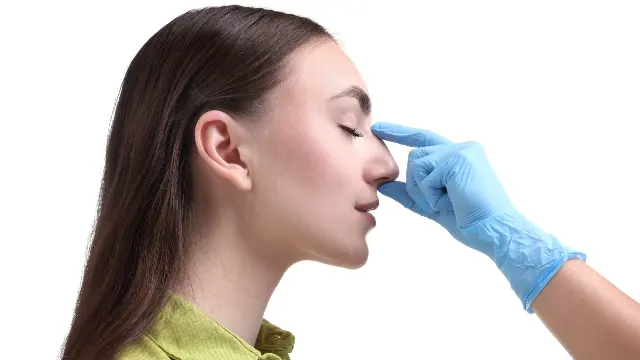
As you approach the one year mark, your rhinoplasty recovery timeline reaches its final stages. This is when the last bits of swelling at the tip dissipate, and the skin fully shrinks to fit the new underlying framework. The results you see at twelve months are generally considered your permanent outcome.
Long term healing is the final biological stage of recovery where scar tissue matures and the surgical results become fully stable. At this point, the nose has reached its final shape, and the tissues have settled into their permanent positions.
Scar Tissue Maturation
Inside the nose, scar tissue has been forming and remodeling for the entire year. By month nine or ten, this tissue becomes softer and more pliable. If you had an open rhinoplasty, the incision site should now be virtually invisible, appearing as a faint line that blends with the natural contours of the columella.
The internal support structures are now fully solidified. Whether you had a revision rhinoplasty or a primary procedure, the strength of the nose is now comparable to what it was before surgery. You can feel confident in the stability and longevity of your results.
Dr. Kim emphasizes that the final 5 percent of healing is often the most rewarding. It is the stage where the tiniest details, such as the highlight on the tip or the smoothness of the profile, become perfectly clear. This is the culmination of the careful planning and 3D CT diagnostics performed before the surgery.
The One Year Anniversary Result
The one year mark is the time for a final evaluation. For our international patients, this often involves a virtual follow up where we compare the current results with the pre operative 3D CT scans and photographs. This comparison allows us to see exactly how the tissue has responded to the surgical plan.
Psychologically, this is also an important milestone. Most patients have fully adjusted to their new appearance and feel a renewed sense of self confidence. The nose no longer feels like a separate or new entity; it is simply your nose.
If you have any remaining questions about your results, this is the time to discuss them. At Baroko Plastic Surgery, we remain committed to our patients long after the surgery is complete, providing guidance and support through every step of the rhinoplasty recovery timeline.
Functional Recovery Beyond The Surface
While much of the discussion around the rhinoplasty recovery timeline focuses on aesthetics, the functional aspects are equally vital. As an ENT specialist, Dr. Jun Kim places significant emphasis on ensuring that the internal structures of the nose heal in a way that optimizes airflow and overall nasal health.
Functional recovery is the process by which the internal nasal passages and respiratory functions return to normal or improved levels after a surgical intervention. It includes the healing of the septum, the nasal valves, and the mucosal lining to ensure comfortable and efficient breathing.
Septal And Valve Correction Healing
If your surgery included septoplasty or nasal valve correction, the internal healing process involves the stabilization of the cartilage and bone that divides the nostrils. In the early months, you may feel some internal tightness as the tissues heal around the new structural supports.
By the six month mark, these structures are usually very stable. Patients often report that they can breathe better than they have in years, especially if they previously suffered from a deviated septum or collapsed valves. This improvement in quality of life is a major benefit of choosing a surgeon with an ENT background.
Proper internal healing also reduces the risk of future issues like nasal crusting or persistent dryness. We provide specific instructions on internal care to ensure that the mucosal environment remains healthy throughout the entire rhinoplasty recovery timeline.
Chronic Rhinitis And Recovery
Many patients also seek treatment for chronic rhinitis alongside their aesthetic changes. The recovery for rhinitis treatments involves the gradual reduction of inflammation in the nasal turbinates. This can take several months to fully resolve as the body adjusts to the changes in airflow and tissue volume.
Managing allergies during this time is important. We may recommend specific antihistamines or nasal sprays that are safe to use during the recovery process. This holistic approach ensures that your nose not only looks beautiful but also functions at its best.
Why Choose Baroko Plastic Surgery For Your Journey
Choosing the right clinic is the most important decision you will make in your rhinoplasty recovery timeline. At Baroko Plastic Surgery in Seoul, we offer a unique combination of surgical expertise, advanced technology, and compassionate care that is specifically designed for high quality results and smooth healing.
Baroko Plastic Surgery is a premier medical facility in Seoul, South Korea, specializing in advanced rhinoplasty and nasal health treatments led by board certified ENT experts. The clinic is known for its focus on natural, implant free techniques and comprehensive post operative care programs for international patients.
Dr. Jun Kim’s Expertise And Experience
Dr. Jun Kim is a recognized leader in the field of rhinoplasty. With over two decades of experience and a background as an adjunct professor at Samsung Medical Center, he brings a deep understanding of both the art and science of nasal surgery. His annual volume of 200 plus surgeries reflects a high level of proficiency and trust from patients worldwide.
His membership in multiple prestigious Korean rhinology and plastic surgery societies ensures that he remains at the forefront of the latest surgical innovations. When you choose Dr. Kim, you are benefiting from a surgeon who has dedicated his career to mastering the complexities of the human nose.
The Autologous Particle Technique
Our signature USP is the use of autologous cartilage particles for implant free rhinoplasty. This technique is particularly beneficial for the recovery timeline because it uses the patient's own biological material. This results in a more natural look and feel, with a lower risk of long term complications compared to synthetic implants.
The integration of these particles allows for a more flexible and resilient nasal structure. This is especially important for patients who want a nose that ages naturally and gracefully. Our focus on natural materials is a cornerstone of our philosophy at Baroko Plastic Surgery.
International Patient Support
We understand that traveling for surgery can be daunting. That is why we provide extensive support for our patients from New York, Los Angeles, and across the globe. From initial virtual consultations to post operative care programs and follow up checkups, we are with you every step of the way.
Our staff is experienced in coordinating care for international travelers, including assistance with local accommodations and transportation in Seoul. We ensure that your recovery in Korea is as comfortable and stress free as possible, allowing you to focus on your healing.
How To Book Your Consultation From The United States
Starting your journey toward a new profile is easy, even from thousands of miles away. We have streamlined our process to accommodate patients in different time zones, ensuring that you get the information you need to make an informed decision about your rhinoplasty recovery timeline.
Step 1 Virtual Consultation
The first step is a virtual consultation. This allows you to meet with our team and discuss your goals and concerns from the comfort of your home. You can share your photos and medical history, and we will provide an initial assessment and recommendation.
During this call, we will also explain the surgical process and what you can expect during your stay in Seoul. This is a great opportunity to ask questions about the recovery process and the specific techniques Dr. Kim will use for your procedure.
Step 2 3D CT Planning
Once you decide to move forward, the next step involves detailed planning. When you arrive in Seoul, we perform advanced 3D CT diagnostics. This allows us to create a precise surgical plan that takes into account both your aesthetic desires and your internal nasal anatomy.
This level of planning is crucial for achieving predictable results and a smooth recovery. It allows Dr. Kim to visualize the structures of your nose in three dimensions, ensuring that every move in the operating room is calculated for the best possible outcome.
Contact Information
📞 Phone:
💬 WhatsApp: Click Here
📧 Email:
🌐 Website: https://www.barokoplasticsurgery.com
📍 Location: Baroko Plastic Surgery, Seocho-gu, Seoul, South Korea
🕐 Hours: From Monday 10:00am - 7:00pm Tuesday 10:00am - 7:00pm Wednesday 10:00am - 7:00pm Thursday 10:00am - 7:00pm Friday 10:00am - 7:00pm Saturday 10:00am - 4:00pm Sunday Closed
Conclusion
The rhinoplasty recovery timeline is a marathon, not a sprint. From the initial 3D CT diagnostics in Seoul to the one year anniversary of your surgery, each stage plays a vital role in achieving a beautiful and functional result. By understanding the monthly milestones and following the expert guidance of Dr. Jun Kim, you can navigate this journey with confidence and peace of mind.
Whether you are looking for aesthetic refinement or functional improvement, Baroko Plastic Surgery offers a comprehensive and compassionate approach to your transformation. Our use of autologous cartilage particles and advanced recovery therapies ensures that your body is supported through every phase of the healing process.
With Dr. Jun Kim’s ENT background, you are not just getting a new look; you are getting a functional, healthy nose built with your own natural tissue. This commitment to long term health and natural beauty is what sets our clinic apart and why so many patients from the United States choose us for their surgical needs.
Ready to start your journey? Contact Baroko Plastic Surgery today for a virtual consultation and discover how our implant free techniques and dedicated care can redefine your profile. We look forward to helping you achieve the results you have always dreamed of and supporting you through every step of your recovery.
About the Author:
Dr. Jun Kim, Board Certified ENT Specialist
Dr. Jun Kim is the Chief Director of Baroko Plastic Surgery with over 20 years of experience in primary and revision rhinoplasty. He is a recognized expert in implant free techniques and functional nasal surgery. As an adjunct professor at Samsung Medical Center and a member of multiple professional societies, he is dedicated to providing the highest level of care to his patients.
For consultations : | | WhatsApp
More Articles
Continue reading our clinical guides.
Types of Rhinoplasty: All Techniques Explained | Baroko
Explore every type of rhinoplasty open, closed, non-open, revision and implant-free explained by Dr. Jun Kim, Seoul ENT rhinoplasty expert with 20+ years.
Learn MoreRhinoplasty Results Timeline: Month 1 to Year 1 Complete Guide
Detailed month-by-month rhinoplasty results guide. See when swelling subsides, when to expect final results, and what natural outcomes look like.
Learn MoreMale Rhinoplasty In Seoul: Natural And Masculine Results | Baroko
Seeking a masculine, natural result? Expert rhinoplasty for men in Seoul by Dr. Jun Kim. ENT led, implant free techniques for breathing and aesthetics. Book your Zoom consult.
Learn More