Personalized Medical Care & Dedicated International Patient Concierge
Medical Guide
Rhinoplasty Recovery Timeline: Week-by-Week | Baroko
Plan your rhinoplasty recovery with Baroko Seoul's complete week-by-week photo guide swelling stages, milestones, return-to-work tips, and expert advice from Dr. Jun Kim.
Schedule a Consultation
Rhinoplasty Recovery: The Complete Week-by-Week Timeline with Photos
One of the most common reasons patients delay booking a rhinoplasty is not the cost, not the flight to Seoul, and not even the surgery itself. It is the uncertainty of not knowing what rhinoplasty recovery actually looks like from one day to the next. If you have spent hours searching for a clear, honest recovery timeline and found only vague reassurances like "most swelling resolves in a few weeks," you are not alone. That kind of non-answer does not help you plan your life around healing. If you are curious about what rhinoplasty in Seoul costs compared to the US, that is worth exploring separately before your consultation.
This is the specific, week-by-week guide you have been looking for. Whether you are planning to return to a hybrid office in New York, get back on camera in Los Angeles, or simply want to understand what your nose will look like at Day 3 versus Month 3, this article covers every phase with clinical honesty. By the end, you will understand exactly what rhinoplasty recovery looks and feels like from Day 1 through Month 12, when post-rhinoplasty swelling peaks and when it fades, what return-to-work and exercise timelines realistically look like, how implant-free autologous cartilage rhinoplasty at Baroko Plastic Surgery differs in healing, and how to plan your Seoul stay and US return as an international patient.
With over 20 years of rhinoplasty specialization and more than 10,000 procedures performed, Dr. Jun Kim provides clinical guidance on what authentic nose job recovery looks like not the sanitized version, but the honest one.
Your Complete Rhinoplasty Recovery Timeline at a Glance:
| Week / Month | Swelling % Resolved | Key Milestone | Activity Status |
|---|---|---|---|
| Day 1 | 0% | Surgery complete, splint placed | Full rest, head elevated |
| Day 3 | 0–5% | Peak swelling and bruising | Rest only |
| Day 7 | 10–15% | End of first week, splint still in place | Light indoor movement |
| Day 10 | 20–25% | Splint removal, first clinical photos | Cleared for light indoor activity |
| Week 3–4 | 60–70% | Bridge and dorsum beginning to show shape | Light remote work, walking |
| Week 5–6 | 70–80% | Visible nose shape emerging | Light cardio, remote or office work |
| Week 7–8 | 80–85% | Near-normal appearance | Gym and moderate activity cleared |
| Month 3 | 85–90% | Refinement phase begins | Full normal activity; on-camera content |
| Month 6 | 90–95% | Near-final result | Professional photography appropriate |
| Month 12 | 100% | Final result complete | Full clearance |
What to Expect During Rhinoplasty Recovery: Days 1–7
The first week of rhinoplasty recovery is the phase that intimidates patients the most, largely because it is the most visually dramatic. Understanding exactly what is happening day by day removes the fear and allows you to focus on resting and healing. The safety standards for rhinoplasty in Seoul at a specialist clinic like Baroko are built to support you from the moment you wake up from anesthesia through every stage of post-operative care.
The First 24 Hours After Surgery
Within the first few hours after your procedure at Baroko, you will come out of anesthesia in a monitored recovery area before being discharged to your accommodation, typically on the same day for procedures performed under sedation or general anesthesia. Your nose will be protected by a nasal splint, and the surrounding area will already show early swelling and the beginning of bruising around the eyes. This is completely normal and expected.
Pain in the first 24 hours is almost universally described as manageable discomfort rather than severe pain. Dr. Kim's team will prescribe appropriate post-operative medication, and most patients are surprised to find that the sensation is more like pressure and congestion than sharp pain. Keeping your head elevated at all times during these first 24 hours is essential. Sleeping propped up at a 30 to 45 degree angle reduces fluid pooling and slows swelling progression.
On Day 1, Baroko's recovery capsule therapy begins. This specialized aftercare program, which includes targeted light therapy and nutrient support protocols, is designed to support tissue integration, manage post-rhinoplasty swelling, and accelerate the early healing response. It is one of the most meaningful differences between recovering at Baroko and recovering at a standard clinic.
Rhinoplasty Swelling Timeline: Days 2–7
The swelling timeline in rhinoplasty recovery follows a predictable arc, and knowing this arc prevents panic during the most alarming-looking days.
Day 2 to Day 3 marks peak swelling and bruising across the nose and around the eyes. This is the worst the nose will look during the entire rhinoplasty healing stages process. Bruising typically appears darkest at this point, and the nose may look significantly wider and more swollen than you expect. This is entirely normal. It does not reflect your final result.
Day 4 to Day 5 brings a subtle but noticeable shift. Bruising typically begins to migrate downward toward the cheeks as the body begins to reabsorb the pooled blood. Swelling may remain at its peak or begin a very slight reduction.
Day 6 to Day 7 brings improved mobility and the first sense that the worst has passed. Most patients begin to feel more like themselves, can manage light indoor activity, and report sleeping more comfortably with the right elevation. The splint remains in place through the end of Week 1 and serves as both a structural protector and a shaping support.
During this entire first week, there are firm restrictions in place. You must not blow your nose, wear glasses that rest on the nasal bridge, expose the nose to sunlight, or engage in any strenuous movement. Adhering strictly to these guidelines during the rhinoplasty healing stages protects the structural work performed during surgery.
Week 2 Splint Removal and the First Reveal
Week 2 of rhinoplasty recovery carries a unique emotional weight. It is the week most patients have been anticipating since before surgery. The splint comes off, and for the first time, you see your new nose. Managing expectations for this moment is one of the most important things you can do for your emotional experience of recovery.
Splint Removal What Actually Happens
At Baroko, splint removal rhinoplasty typically takes place between Day 7 and Day 10, depending on individual healing progress. The appointment itself is straightforward: Dr. Kim gently removes the splint, the nose is carefully cleaned, and initial clinical photographs are taken to begin the documentation of your healing arc.
Here is the most important thing to understand about this milestone: your nose will still be significantly swollen at splint removal. The tip especially will appear larger and less defined than your eventual result. Rhinoplasty bruising around the eyes is typically 60 to 70 percent resolved by this point, but the nose itself requires far more time to reveal its shape.
This is not a reflection of the surgical outcome. This is the normal rhinoplasty recovery process. Patients who arrive at splint removal with this expectation clearly set are typically much more at ease than those who expect a dramatic reveal. Dr. Kim will walk you through what you are seeing, explain what will continue to change, and give you specific guidance on your individual healing pace.
The emotional reality is this: splint removal is not a reveal of your result. It is the beginning of your result becoming visible over the next several months.
When Can International Patients Fly Home?
For international patients traveling from the United States, Baroko typically recommends a minimum Seoul stay of 10 to 14 days. This allows for splint removal rhinoplasty at Day 7 to 10, a short post-removal observation period, and Dr. Kim's personal clearance before departure.
Flying after rhinoplasty involves some considerations that deserve clinical attention. Cabin pressure changes at altitude can temporarily increase nasal swelling and discomfort. For this reason, Dr. Kim does not typically clear patients to fly until a minimum of 10 days post-surgery, and only once post-rhinoplasty swelling has stabilized to a safe level. Before departure, every international patient receives a travel clearance document, a post-operative care kit, and a scheduled virtual follow-up appointment.
If you are planning your accommodations during recovery, you can explore the best recovery accommodation in Gangnam close to the Baroko clinic to make the most of your Seoul stay. For full guidance on the logistics of flying home after rhinoplasty from Seoul, Baroko's international patient resources cover this in detail.
Patients returning to remote desk work in New York can typically manage light work within 10 to 12 days of surgery, with in-office work following in Week 3 to 4. Patients who are content creators can begin very light, non-face-forward documentation at this stage, but on-camera content should wait significantly longer.
| Day | Milestone | Status | Cleared to Travel? |
|---|---|---|---|
| Day 1–3 | Surgery and peak swelling | Rest and recovery | No |
| Day 7–10 | Splint removal and first photos | Post-removal observation | No |
| Day 10–12 | Post-removal stability check | Dr. Kim clearance visit | Conditional Yes |
| Day 14 | Recommended earliest departure | Final pre-departure check | Yes, with documentation |
| Day 14+ | Return to home country | Virtual follow-up scheduled | Yes |
Weeks 3–4 Returning to Light Activities
The weeks 3 and 4 window represents a meaningful transition in rhinoplasty recovery. The most dramatic phase of healing has passed, visible improvement is happening, and cautious re-engagement with normal life is both appropriate and encouraged.
Week-by-Week Guide to Rhinoplasty Healing Milestones: Weeks 3–4
By Weeks 3 and 4, approximately 60 to 70 percent of swelling has resolved. The bridge and dorsum of the nose are beginning to reveal their new shape, and patients often describe seeing the first genuine glimpse of their results at this stage. The tip, however, remains swollen and may appear somewhat bulbous. This is a normal part of the rhinoplasty healing stages and does not indicate a problem.
This week-by-week guide framework is important here: do not evaluate your results based on the tip at Week 3. The tip is always the last part of the nose to define itself, and it will continue to refine for months.
Activities that are now appropriate include light office work either in person or remotely, gentle walking as a primary form of exercise, and carefully performed skincare around the nose without direct pressure. Activities that remain restricted include all forms of exercise beyond walking, swimming, direct sunlight exposure without SPF, wearing glasses with nose bridge contact, and alcohol consumption. Sleep position should still be elevated, and side sleeping is not yet recommended as pressure on the nose can affect healing.
This first glimpse of emerging results is emotionally significant. It is the moment many patients begin to feel confident that the decision to proceed was the right one.
When Can I Return to Work After Rhinoplasty?
For patients with desk-based or remote work, most are cleared by Dr. Kim at Week 2 to 3. In-office environments are typically appropriate at Week 3 to 4, depending on individual swelling visibility and comfort level. For video calls specifically, Week 3 is the minimum, but patients should be aware that residual nose surgery recovery care means some visible swelling may still be noticeable on screen at this stage.
For professionals returning to New York-based hybrid office work, Week 3 to 4 is the realistic and comfortable return window. LinkedIn profile photos and professional headshots, however, should be scheduled no earlier than Month 3 to 6 when results are substantially refined. For content creators returning to Los Angeles, light non-face-forward behind-the-scenes content is possible at Week 3, but on-camera content with standard production lighting should wait until Week 6 to 8 at minimum.
| Work Type | Earliest Return | Notes |
|---|---|---|
| Remote desk work | Week 2–3 | Manage expectations for residual swelling on video calls |
| In-office work | Week 3–4 | Comfortable with makeup coverage; individual comfort varies |
| Video calls and online meetings | Week 3 | Swelling visible but manageable for most patients |
| On-camera content creation | Week 6–8 | Lighting-controlled, non-public content only |
| High-production on-camera content | Month 3+ | For ideal visual quality and confidence |
| Professional photography or headshots | Month 3–6 | Best to wait for near-final result visibility |
Weeks 5–8 Visible Improvement and Gradual Return to Normal Life
Weeks 5 through 8 is a phase that competitors almost universally skip over, jumping from "the first two weeks" directly to "Month 3." This is a significant gap, because it is precisely during Weeks 5 through 8 that many patients experience a new anxiety: one side of the nose may look more swollen than the other, healing feels uneven, and there is a natural tendency to worry. This section exists specifically to address that concern.
Swelling at Weeks 5–8 What the Numbers Look Like
By Week 5 to 6, approximately 70 to 80 percent of post-rhinoplasty swelling has resolved. The nose is beginning to look genuinely close to its new shape, and most people in daily life would not immediately identify recent surgery. By Week 7 to 8, that figure climbs to 80 to 85 percent. The nose at this stage looks close to its final shape, with only the tip and very subtle surface contours still in the process of defining themselves.
Asymmetrical swelling during this phase is extremely common and is not a sign of a surgical complication. The two sides of the nose rarely heal at exactly the same rate, and what looks like an asymmetry at Week 6 almost always equalizes by Month 3. The swelling timeline for the tip specifically is the longest of any nasal zone, and the tip may still feel firm and slightly larger than it will ultimately be.
For patients who have undergone implant-free rhinoplasty recovery using autologous cartilage, it is worth knowing that tip swelling may resolve slightly more slowly than in implant-based procedures. This is because living cartilage tissue is integrating directly with your nasal structure in a process of genuine biological fusion. When does rhinoplasty swelling go down in the tip region for autologous cartilage cases? The honest answer is that full tip definition typically takes between 6 and 12 months, and cartilage rhinoplasty healing requires patience at this stage. The benefit, however, is a result that is structurally stable and biologically permanent in a way that no synthetic implant can match. For a complete explanation of how autologous cartilage rhinoplasty works, Baroko's dedicated explainer article covers the technique in detail.
When Can I Exercise After Rhinoplasty?
Exercise restrictions are one of the most frequently asked questions in rhinoplasty recovery, and the answers deserve specificity.
| Activity | Earliest Return Date | Risk if Too Early |
|---|---|---|
| Light walking | Week 3–4 | Very low if gentle |
| Light cardio, non-impact | Week 6 | Increased blood pressure can elevate swelling |
| Yoga, non-inverted | Week 6 | Generally safe at this stage |
| Gym, weights, moderate cardio | Week 8 | Risk of trauma and swelling relapse |
| Inverted positions (headstands, etc.) | Month 3 | Blood pooling to nose increases swelling risk |
| Swimming | Month 3 | Chlorine irritation and pressure risk |
| High-impact exercise and contact sports | Month 3 minimum | Impact trauma risk to healing nasal structure |
For patients returning to gym and Pilates routines, exercise after rhinoplasty is typically cleared in phases from Week 6 through Week 8, with full exercise clearance at Month 3. The key principle during this phase is that any activity that significantly raises blood pressure or heart rate carries a risk of worsening swelling and should be introduced gradually.
Your Rhinoplasty Recovery Timeline: Month 3 to Final Results
The months 3 through 6 window is often described by Dr. Kim's patients as the phase where recovery becomes truly exciting. The nose is looking genuinely beautiful, results are becoming clearly visible, and the anxiety of the early weeks fades into the background. This phase is also where patients benefit most from clear clinical guidance about what is still happening in the nose even when it looks largely healed.
Your Rhinoplasty Recovery Timeline: Month 3 to Month 6 Milestones
At Month 3, approximately 85 to 90 percent of the rhinoplasty recovery swelling timeline has resolved. The bridge and dorsum of the nose are at near-final appearance, and the overall shape of the nose is clearly visible and genuinely representative of the surgical result. The tip at this stage may still appear slightly undefined or rounder than the final result, but it is significantly more refined than it was at Week 4.
Between Month 4 and Month 5, the skin begins the process of retracting and draping naturally over the new nasal structure. This is one of the most important biological events in the entire healing arc, and it is the process through which tip definition truly begins to emerge. Week by week during this period, the nose continues to refine itself in ways that are sometimes subtle to the untrained eye but meaningful to the patient who knows their face.
By Month 6, most patients have achieved 90 to 95 percent of their rhinoplasty final results. Professional photography and headshots are appropriate at this stage. For patients who are planning high-production on-camera reveals, Month 6 represents the ideal moment for full-production content. For patients updating professional portraits and LinkedIn profiles, Month 6 provides a result that is stable, natural, and fully representative.
What Affects How Quickly You Heal?
The recovery timeline is not identical for every patient, and understanding the variables that influence healing helps set realistic expectations.
Skin thickness is one of the most significant factors. Patients with thicker nasal skin, which is common in Asian and mixed-heritage noses, tend to experience longer swelling resolution in the tip. This is not a complication or an unfavorable outcome. It is simply a biological reality of how thicker skin behaves over new cartilage structure. Dr. Kim accounts for this in surgical planning, and the long-term result for these patients is frequently among the most natural-looking outcomes he achieves.
Age is a secondary but real factor. Younger patients typically demonstrate faster tissue healing and cellular turnover. Patients in their thirties heal completely and beautifully, but the timeline may be slightly longer in some phases.
Technique also influences healing pace. Autologous cartilage grafts integrate with living tissue as part of the healing process, and this biological integration takes more time than the simple fibrous encapsulation that occurs around a synthetic implant. The tradeoff is meaningful: the long-term outcome is more natural, more durable, and free from the risks associated with implant materials.
Post-operative care adherence is one of the most controllable variables. Patients who commit to Baroko's recovery capsule therapy program, follow post-operative instructions precisely, and protect the nose from sun exposure consistently demonstrate faster swelling resolution and cleaner healing outcomes.
Sun exposure deserves particular emphasis. Direct UV exposure on a healing nose promotes prolonged swelling and can affect skin pigmentation during recovery. Consistent SPF use from Week 2 onward is essential and non-negotiable.
Months 6–12 Final Results and Long-Term Outcomes
The final phase of rhinoplasty recovery is the least dramatic and the most satisfying. Between Month 6 and Month 12, the nose quietly completes its journey to its final form.
When Are Rhinoplasty Results Truly Final?
Between Month 6 and Month 9, near-complete swelling resolution occurs. More than 95 percent of post-operative swelling has cleared, and the tip is fully defined for the vast majority of patients. This is the phase where patients who have been patient through the earlier stages are rewarded with the full clarity of their rhinoplasty final results.
Between Month 9 and Month 12, complete resolution occurs for essentially all patients. For those who had significant tip work performed, or for those with thicker nasal skin, the complete 12-month timeline may be necessary for full definition. Baroko's international patient follow-up protocol includes virtual check-ins at Month 1, Month 3, Month 6, and Month 12 with Dr. Kim directly, ensuring every patient is supported through the full rhinoplasty recovery arc regardless of where in the world they are living.
Does Implant-Free Rhinoplasty Last Longer?
This is one of the most important questions a prospective rhinoplasty patient can ask, and the answer from the evidence is clear.
When autologous cartilage is used in rhinoplasty, it does not simply sit inside the nose as a foreign object. It integrates with the surrounding tissue and becomes a living part of your nasal structure. It ages naturally with your face, responds to the biological environment of your body, and does not carry the risks associated with synthetic materials: no risk of implant displacement, no risk of capsular contracture, and no risk of silicone-related complications over time.
Long-term clinical data on autologous cartilage rhinoplasty shows maintained shape and structural integrity across decades. Baroko's no-implant policy is not a marketing position. It is a principled clinical decision made specifically for long-term outcome predictability and patient safety.
It is worth noting honestly that an autologous cartilage nose may show very subtle, gradual changes as the face naturally ages over many decades. This is not a structural failure. It is the natural behavior of living tissue aging gracefully within its biological environment.
| Feature | Implant-Free (Baroko) | Implant-Based | Notes |
|---|---|---|---|
| Material | Your own cartilage | Silicone or ePTFE | Autologous = no rejection risk |
| Integration | Biologically fuses with tissue | Fibrous encapsulation | Cartilage becomes part of you |
| Long-term stability | Decades of clinical data | Revision risk increases over time | Baroko's approach is chosen for durability |
| Risk of displacement | None | Present, increases with time | A meaningful clinical advantage |
| Capsular contracture risk | None | Present | Particularly relevant for revision patients |
| Tip swelling resolution | Slightly longer | Slightly faster | Worth the wait for long-term benefit |
| Natural aging | Ages naturally with face | May appear incongruent over time | Autologous results stay harmonious |
Why Choose Baroko Plastic Surgery for Rhinoplasty Recovery Support
Choosing a rhinoplasty clinic is not just a choice about the surgery itself. It is a choice about the entire recovery experience, including the quality of post-operative care, the availability of your surgeon, and the infrastructure available to you as an international patient navigating recovery thousands of miles from home.
Dr. Jun Kim's Expertise and Experience
Dr. Jun Kim is an ENT (Otolaryngology) specialist and board-certified rhinoplasty surgeon with over 20 years of dedicated clinical experience in rhinoplasty and facial aesthetics. He has performed over 10,000 rhinoplasty procedures across his career, with more than 450 procedures performed annually at Baroko Plastic Surgery. He holds both M.D. and Ph.D. credentials and serves as a Clinical Professor at Samsung Medical Center, bringing academic rigor to every aspect of his clinical practice. He is an active contributor to Korean plastic surgery and rhinology societies and is recognized as one of Seoul's leading rhinoplasty specialists.
What sets Dr. Kim apart from general plastic surgeons is his dual specialization in ENT and aesthetics. As an ENT-trained surgeon, he approaches every nose with a deep understanding of nasal anatomy, airway function, and structural mechanics. This dual expertise means that during implant-free rhinoplasty recovery, he is managing both the cosmetic healing trajectory and the functional nasal outcome simultaneously. Every consultation, and every surgery at Baroko, is performed personally by Dr. Kim from start to finish. There is no delegation to junior surgeons at any stage of your care.
Baroko's Recovery Capsule Therapy Our Difference
Baroko's recovery capsule therapy is one of the most meaningful clinical differentiators in Seoul rhinoplasty recovery. The program includes a structured combination of light therapy protocols and nutrient infusion support specifically designed for the post-operative nasal healing environment. Light therapy at therapeutic wavelengths promotes tissue repair at the cellular level, supports collagen remodeling, and reduces inflammatory response in the healing zone. Nutrient infusion protocols support the systemic healing process, ensuring the body has the biological resources it needs to integrate autologous cartilage grafts efficiently.
Patients who participate in Baroko's recovery capsule therapy program consistently demonstrate faster swelling resolution and cleaner tissue integration outcomes compared to standard post-operative care alone. The program begins on Day 1 of recovery and is integrated into Baroko's standard post-operative care package.
International Patient Recovery Support
Baroko has built a comprehensive support infrastructure specifically for patients traveling from the United States and other international locations.
English-speaking patient coordinators are available throughout the recovery process, from pre-consultation through final follow-up. Dr. Kim conducts virtual follow-up check-ins personally at Month 1, Month 3, Month 6, and Month 12 for all international patients, ensuring clinical continuity regardless of geographic distance. Every patient departing Seoul receives a full recovery documentation package in English, including care instructions, emergency contacts, and follow-up scheduling guidance.
A WhatsApp support channel provides direct communication access for post-operative questions during the early recovery weeks. A 24-hour emergency contact protocol is in place for urgent concerns. US-based follow-up coordination guidance is available for patients who need to connect with a local physician for in-person checks between virtual appointments with Dr. Kim.
The combination of Dr. Kim's clinical expertise, Baroko's recovery capsule therapy, and this international support infrastructure is what distinguishes a Seoul rhinoplasty recovery at Baroko from the experience at any other clinic.
How to Book Your Rhinoplasty at Baroko
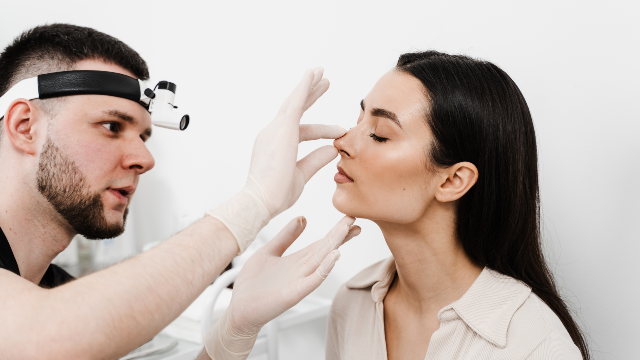
Step 1 Schedule Your Free Virtual Consultation
Baroko offers a free virtual consultation conducted personally by Dr. Jun Kim via Zoom or Google Meet. This is not a coordinator-only screening call. You speak directly with Dr. Kim from your first interaction. During the consultation, Dr. Kim will discuss your specific procedure goals, walk you through the recovery timeline relevant to your individual anatomy and planned technique, and help you plan your Seoul stay. To schedule, you can reach Baroko via WhatsApp, email, or through their website at baroko plastic surgery. For a complete step-by-step overview of how to book your procedure at Baroko as an international patient, Baroko's international booking guide covers every detail.
Step 2 Receive Your Personalized Recovery Plan
Following your consultation, you will receive a personalized recovery roadmap developed specifically for your procedure type, skin characteristics, and lifestyle. This document includes your estimated swelling timeline by phase, your return-to-work date, your return-to-activity dates by specific activity type, and Dr. Kim's recommendation for your Seoul stay duration.
You will also receive Baroko's downloadable recovery checklist, a practical, comprehensive planning tool that walks you through every preparation step from pre-surgery to Month 12. This checklist has been developed from Dr. Kim's decades of experience managing international patient recovery and is one of the most useful resources Baroko provides to new patients.
Contact Information
📞 Phone:
💬 WhatsApp: Click Here
📧 Email:
🌐 Website: https://www.barokoplasticsurgery.com
📍 Location: Baroko Plastic Surgery, Seocho-gu, Seoul, South Korea
🕐 Hours: From Monday 10:00am - 7:00pm Tuesday 10:00am - 7:00pm Wednesday 10:00am - 7:00pm Thursday 10:00am - 7:00pm Friday 10:00am - 7:00pm Saturday 10:00am - 4:00pm Sunday Closed
Frequently Asked Questions About Rhinoplasty Recovery
How Long Does Rhinoplasty Recovery Take in Total?
Complete rhinoplasty recovery takes approximately 12 months for full final results. The most socially visible phase of recovery, meaning significant visible swelling and bruising, resolves within the first 2 to 4 weeks. The refinement phase, where the nose approaches its final form, takes place between Month 3 and Month 6. The complete recovery timeline, including full tip definition and final result documentation, concludes at Month 12 for most patients.
How Long Do I Need to Stay in Seoul After Rhinoplasty?
Baroko recommends a minimum Seoul stay of 10 to 14 days for international patients. This ensures you are present for splint removal, a post-removal observation visit, and Dr. Kim's personal departure clearance. Planning this Seoul rhinoplasty recovery window carefully ensures you leave with proper documentation, a full aftercare kit, and your virtual follow-up appointments scheduled before you board your flight home.
When Does Rhinoplasty Swelling Go Down Completely?
The swelling timeline in rhinoplasty recovery follows a gradual progression. Acute post-rhinoplasty swelling and bruising peak at Day 2 to 3 and begin resolving from Day 4 onward. By Week 4, approximately 60 to 70 percent of swelling has resolved. By Month 3, 85 to 90 percent has cleared. Full resolution, including complete tip definition, typically occurs between Month 6 and Month 12 depending on skin thickness and procedure complexity.
When Can I Return to Work After Rhinoplasty?
For remote and desk-based work, most patients following the week-by-week guide to return-to-work planning are cleared at Week 2 to 3. In-office work is appropriate at Week 3 to 4. Return to work after rhinoplasty for roles that involve public-facing or on-camera presence should be timed more conservatively, with full on-camera production work advised from Week 6 to 8 at minimum and Month 3 recommended for high-production content or professional photography.
When Can I Exercise After Rhinoplasty?
Light walking is cleared at Week 3 to 4. Light non-impact cardio is approved at Week 6. Gym, weights, and moderate cardio are appropriate at Week 8. Exercise after rhinoplasty involving high-impact activity, contact sports, swimming, or inverted positions should wait until Month 3. Rhinoplasty recovery timelines for exercise are structured around the risk of increased blood pressure sending additional fluid to the healing nasal tissue and causing swelling relapse.
When Is It Safe to Fly Home After Rhinoplasty in Seoul?
Flying after rhinoplasty from Seoul is generally safe from Day 10 to Day 14 onward, following clearance by Dr. Kim. Cabin pressure changes can temporarily increase nasal swelling, so rhinoplasty recovery protocols call for waiting until post-operative swelling has stabilized before boarding a long-haul flight. Dr. Kim provides written travel clearance documentation for all international patients before departure.
When Can I Appear on Camera or Film Content After Rhinoplasty?
The rhinoplasty recovery timeline for on-camera content depends on the type of content. Light behind-the-scenes or non-face-forward documentation is possible from Week 3. Standard on-camera content is appropriate from Week 6 to 8, when the swelling timeline has progressed sufficiently that visible swelling is minimal. High-production, well-lit on-camera reveals are ideally timed at Month 3 to 6 for the most confident and visually polished result.
Is Recovery Different for Implant-Free Rhinoplasty vs. Implant-Based?
Yes, there are specific differences worth understanding. Implant-free rhinoplasty recovery using autologous cartilage rhinoplasty healing principles follows the same general timeline as implant-based recovery for the bridge and dorsum. However, tip swelling may take slightly longer to fully resolve in autologous cartilage cases, because living cartilage integrates biologically with surrounding tissue rather than simply being encapsulated. The long-term benefit of this process is a structurally stable, biologically permanent result that no synthetic implant can match over decades.
What Does Rhinoplasty Recovery Look Like for Asian Noses?
Rhinoplasty healing stages for patients with Asian or mixed-heritage nasal anatomy follow the same general timeline but may include longer tip swelling resolution due to typically thicker nasal skin. Thicker skin takes more time to retract and drape over a new cartilage structure, which means tip definition continues to emerge gradually through the Month 3 to 6 and even Month 6 to 12 window. This is expected, manageable, and consistent with nose job recovery outcomes that Dr. Kim regularly achieves in his clinical practice.
What Is Recovery Capsule Therapy at Baroko?
Baroko's recovery capsule therapy is a specialized post-surgical care program developed to accelerate healing, manage swelling, and support tissue integration after rhinoplasty. The program includes therapeutic light therapy and targeted nutrient infusion protocols delivered in Baroko's dedicated aftercare facility. Among the rhinoplasty recovery tips Dr. Kim provides to international patients, committing fully to the recovery capsule therapy program is consistently among the most impactful. Patients enrolled in the full program demonstrate faster swelling resolution and cleaner tissue healing compared to patients receiving standard aftercare alone. This program is a central part of what makes Seoul rhinoplasty recovery at Baroko a clinically differentiated experience.
Conclusion
Your rhinoplasty recovery journey is more predictable, more manageable, and more plannable than most online searches would suggest. Swelling peaks at Days 2 to 3 and resolves progressively through Weeks 2 to 8, with the nose approaching near-final appearance at Months 3 to 6. Return-to-work and return-to-activity timelines are specific and schedulable, not vague generalizations. Autologous cartilage rhinoplasty at Baroko follows the same general healing arc as implant-based procedures, with the added long-term benefit of biological integration, structural permanence, and zero implant-related complication risk.
Dr. Jun Kim's 20-plus years of clinical rhinoplasty experience, combined with Baroko's recovery capsule therapy program and fully supported English-language international patient infrastructure, means you are never navigating your recovery alone. From Day 1 in Seoul through your Month 12 virtual check-in from home, every phase of your rhinoplasty recovery is supported by expert clinical guidance.
The best next step is a conversation. Book your free virtual consultation with Dr. Jun Kim directly to receive a personalized rhinoplasty recovery plan built around your specific procedure, anatomy, and lifestyle. Download your free recovery checklist from Baroko to start planning today. Reach out via WhatsApp or email through baroko plastic surgery and take the first step toward your Seoul rhinoplasty recovery with complete confidence and clarity.
About the Author:
Dr. Jun Kim, ENT Specialist and Rhinoplasty Surgeon Chief Director, Baroko Plastic Surgery, Seocho-gu, Gangnam, Seoul, South Korea 20-plus years of clinical rhinoplasty experience | Over 10,000 rhinoplasty procedures performed | 450-plus rhinoplasty procedures annually | Board-Certified ENT (Otolaryngology) Specialist | M.D. and Ph.D. credentials | Clinical Professor, Samsung Medical Center | Member: Korean plastic surgery and rhinology societies | Specialization: implant-free autologous cartilage rhinoplasty, functional nasal surgery, revision rhinoplasty.
For consultations : | | WhatsApp
More Articles
Continue reading our clinical guides.
Types of Rhinoplasty: All Techniques Explained | Baroko
Explore every type of rhinoplasty open, closed, non-open, revision and implant-free explained by Dr. Jun Kim, Seoul ENT rhinoplasty expert with 20+ years.
Learn MoreRhinoplasty Results Timeline: Month 1 to Year 1 Complete Guide
Detailed month-by-month rhinoplasty results guide. See when swelling subsides, when to expect final results, and what natural outcomes look like.
Learn MoreMale Rhinoplasty In Seoul: Natural And Masculine Results | Baroko
Seeking a masculine, natural result? Expert rhinoplasty for men in Seoul by Dr. Jun Kim. ENT led, implant free techniques for breathing and aesthetics. Book your Zoom consult.
Learn More