Personalized Medical Care & Dedicated International Patient Concierge
Medical Guide
What Is Rhinoplasty? Complete Guide 2026 - Baroko Seoul
What is rhinoplasty? Learn everything about nose surgery from an ENT-trained specialist. Comprehensive beginner's guide covering types, benefits, recovery & candidacy.
Schedule a Consultation
Introduction
If you're wondering what is rhinoplasty? you're not alone. Thousands of Americans search this question every month as they begin exploring whether nose surgery is right for them. Whether you're concerned about a dorsal hump, breathing difficulties or overall nasal proportion, understanding exactly what rhinoplasty is and isn't is the essential first step in your decision-making journey.
The internet is full of conflicting information about rhinoplasty: social media showcases dramatic transformations, medical websites use complex terminology and forum discussions can be overwhelming. For someone considering their first consultation, it's difficult to separate marketing hype from medical reality, or to understand which type of nose surgery actually addresses your specific concerns.
As an ENT-trained plastic surgeon with over 20 years of rhinoplasty specialization and more than 4,000 procedures performed, Dr. Jun Kim of Baroko Plastic Surgery combines deep anatomical expertise with a philosophy of natural, implant-free results. This guide provides medically accurate, patient-friendly answers to help you make an informed decision.
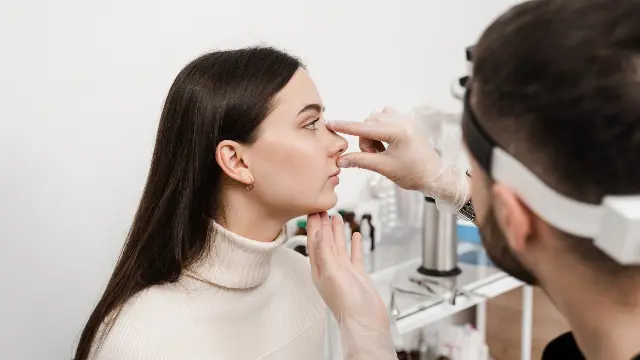
What Is Rhinoplasty? The Medical Definition Explained
The Clinical Definition of Rhinoplasty
Rhinoplasty is a surgical procedure that reshapes, reconstructs, or repairs the nose to improve appearance, function or both. The term comes from the Greek words rhino (nose) and plasty (molding or shaping). In everyday conversation, you might hear rhinoplasty called a nose job these are simply the colloquial and medical terms for the same procedure.
The rhinoplasty definition encompasses a wide range of surgical interventions that can address bone, cartilage, skin and internal nasal structures. This versatility makes nose surgery one of the most complex procedures in plastic surgery, requiring both technical precision and artistic judgment. Rhinoplasty is simultaneously an art and a science surgeons must understand facial aesthetics while possessing deep knowledge of nasal anatomy and function.
Unlike many cosmetic procedures that focus solely on appearance, rhinoplasty uniquely straddles the line between form and function. A successful outcome means creating a nose that both looks harmonious with your face and works efficiently for breathing. This dual nature is why choosing a surgeon with specialized training in nasal anatomy particularly ENT (Ear, Nose, and Throat) training can make such a significant difference in results.
Functional vs. Cosmetic Rhinoplasty
Understanding the distinction between cosmetic and functional rhinoplasty helps clarify what type of procedure you might need.
Cosmetic rhinoplasty changes the external appearance of your nose. Common cosmetic goals include reducing a dorsal hump, refining a bulbous tip, narrowing the nasal bridge, correcting asymmetry, or adjusting the overall size and proportion of the nose. These changes are made to create better facial harmony and address aesthetic concerns that may have affected your confidence for years.
Functional rhinoplasty corrects internal structures that affect your ability to breathe properly. This includes straightening a deviated septum, repairing collapsed nasal valves, reducing enlarged turbinates, or reconstructing nasal passages damaged by injury or previous surgery. Many patients don't realize they have functional issues until a thorough evaluation reveals structural problems contributing to breathing difficulties, chronic congestion or sleep disturbances.
Here's what many patients don't know: you often need both. This is precisely where ENT-trained surgeons like Dr. Jun Kim have a distinct advantage. During every consultation, Dr. Kim evaluates both the aesthetic and functional dimensions of your nose, identifying issues you might not have known existed.
Many patients come to me thinking they want purely cosmetic rhinoplasty, only to discover they also have a structural issue affecting their breathing. As an ENT-trained surgeon, I evaluate both the aesthetic and functional dimensions of every nose because a beautiful nose that doesn't breathe properly isn't a successful outcome.
What Rhinoplasty Can and Cannot Do
Setting realistic expectations begins with understanding the scope and limitations of rhinoplasty.
What rhinoplasty CAN do:
- Reshape your nasal bridge (reduce a hump or augment a flat bridge)
- Refine and define your nasal tip
- Narrow wide nostrils
- Correct asymmetry and crookedness
- Improve breathing by correcting internal structural issues
- Restore nasal function after injury or trauma
- Create better facial proportion and harmony
What rhinoplasty CANNOT do:
- Completely change your ethnicity or transform your entire face
- Make you look exactly like another person or a celebrity
- Guarantee specific life outcomes (career success, relationship changes, etc.)
- Create perfection the goal is natural improvement, not flawlessness
- Change your nose beyond what your natural anatomy allows
The best rhinoplasty results honor your natural facial proportions and ethnic characteristics. The goal is refinement that looks like you just with a nose that better suits your face. At Baroko, this philosophy of harmony-first rhinoplasty guides every surgical plan Dr. Kim creates.
Why Do Patients Choose Rhinoplasty?
Aesthetic Motivations
The most common reason patients seek rhinoplasty is dissatisfaction with their nose's appearance. These concerns are deeply personal and entirely valid.
A dorsal hump is the most frequent concern among Western patients the prominent bump along the bridge of the nose that becomes especially noticeable in profile. A wide or flat nasal bridge concerns many patients, particularly those of Asian or ethnic backgrounds seeking subtle augmentation. A bulbous or drooping tip can make the nose appear disproportionately large or aged. Nostril asymmetry or overall profile dissatisfaction can create self-consciousness that affects how you present yourself in both personal and professional contexts.
For modern professionals and content creators, camera and photo confidence has become an increasingly common motivator. In an era where video calls, social media presence and professional photography are routine, how you appear on camera directly impacts your confidence and in some cases, your career opportunities.
Consider Rachel, a 31-year-old brand manager in New York, who had been self-conscious about her dorsal hump since her twenties. As her career advanced and she appeared more frequently in video presentations, she decided it was time to address the one feature that consistently detracted from her confidence on camera. For Rachel, rhinoplasty wasn't vanity it was a professional and personal investment in feeling fully confident in high-stakes situations.
Functional and Medical Motivations
Many patients discover that their concerns go beyond aesthetics once they understand the functional dimension of nasal structure.
A deviated septumwhen the wall between your nasal passages is crooked can cause chronic breathing difficulty, especially during sleep or exercise. Nasal valve collapse occurs when the narrowest part of your nasal airway doesn't maintain structural integrity, creating a sensation of obstruction. Chronic nasal congestion that doesn't respond to medications often has a structural cause. These functional issues can impact sleep quality, leaving you chronically fatigued and exerciseperformance, making cardiovascular activities unnecessarily difficult.
Previous injury or trauma can leave both aesthetic and functional damage that requires surgical reconstruction. Athletes who've experienced nasal fractures, accident survivors, or anyone with nasal damage from past events may need rhinoplasty to restore both form and function.
Dr. Jun Kim's ENT background means he automatically evaluates both dimensions during consultation. Many patients who schedule cosmetic consultations are surprised to learn they have functional issues they'd grown so accustomed to that they assumed breathing difficulty was normal.
Psychological and Professional Motivations
The psychological impact of long-standing insecurity about your nose shouldn't be underestimated. Appearanceconfidence in professional settings matters whether you're presenting to clients, appearing on video calls or representing your company publicly. For many patients, their nose is the one thing that prevents them from feeling fully confident about their appearance.
Cultural considerations are particularly important for Asian-American patients and others from ethnic backgrounds. The goal isn't to erase ethnic identity it's to refine features while maintaining facial harmony and cultural authenticity. This ethnicity-preserving approach is fundamental to Dr. Kim's surgical philosophy.
Life milestone timing often motivates patients to finally address long-standing concerns. A new career stage, an upcoming wedding, a significant birthday, or simply reaching a point of financial stability and personal readiness can be the catalyst for finally pursuing rhinoplasty.
It's important to acknowledge: cosmetic surgery as self-investment is completely valid. You don't need a medical justification to want to feel more confident about your appearance.
Patients come to me for many reasons and every single one is valid. Whether you're seeking better breathing, more facial harmony, or simply the confidence to stop editing your photos before posting them if it matters to you, it matters clinically.
Types of Rhinoplasty: Which One Do You Need?
Primary Rhinoplasty (First-Time Nose Surgery)
Primary rhinoplasty refers to your first nose surgery meaning you've never had rhinoplasty before. This is the most common type of rhinoplasty and typically has the most straightforward surgical approach and recovery.
In primary rhinoplasty, your surgeon typically uses your own cartilage (called autologous grafts) harvested from your nasal septum or ear to build structure and create refinement. At Baroko Plastic Surgery, the implant-free approach means using only your own tissue never synthetic materials like silicone implants. This biological approach ensures natural integration, eliminates long-term implant risks, and creates results that age naturally with your face.
Recovery from primary rhinoplasty is generally more predictable than revision cases, with most patients returning to normal activities within two to three weeks and seeing progressive refinement over the following months.
Revision Rhinoplasty (Correcting Previous Surgery)
Revision rhinoplasty is corrective surgery performed after an unsatisfactory previous rhinoplasty. Approximately 35% of Baroko's American patients are revision cases individuals who had nose surgery elsewhere and are now seeking expert correction.
Revision rhinoplasty is significantly more complex than primary surgery. Scar tissue from the first operation complicates the surgical field and if the previous surgeon removed too much cartilage or created structural weaknesses, reconstruction becomes necessary. In these cases, surgeons may need to harvest rib cartilage grafts to provide sufficient structural support for rebuilding the nose.
This is precisely where Dr. Jun Kim's ENT training becomes invaluable. His deep understanding of nasal anatomy, airway function and structural reconstruction allows him to address both aesthetic dissatisfaction and functional problems created by previous surgery. Revision rhinoplasty requires a specialist with genuine expertise it's not a procedure for generalists.
Open vs. Closed (Non-Open) Rhinoplasty Techniques
The terms open and closed refer to the surgical approach specifically, where incisions are placed.
Open rhinoplasty: involves a small external incision across the columella (the tissue between your nostrils), allowing the surgeon to lift the nasal skin and access the underlying structures with full visualization. This approach is ideal for complex cases requiring extensive structural work, precise cartilage grafting, or revision surgery where maximum visibility is essential.
Closed (non-open) rhinoplasty: places all incisions inside the nostrils, leaving no external scar. This technique offers faster recovery, less swelling, and no visible scarring, making it preferable when surgically feasible.
Which is better? It depends entirely on your case complexity and surgical goals. Dr. Jun Kim uses both techniques depending on what will achieve the best outcome for your specific situation. Baroko specializes in non-open rhinoplasty when appropriate, but never compromises surgical access for the sake of avoiding a tiny external scar if that access is necessary for optimal results.
Functional Rhinoplasty: When Breathing Is the Priority
Functional rhinoplasty focuses primarily on correcting internal structures that impair breathing, though it's often combined with aesthetic improvements in a single procedure.
Septoplasty straightens a deviated septum, opening blocked nasal passages. Turbinate reduction addresses enlarged turbinates (internal structures that can obstruct airflow when chronically swollen). Nasal valve repair reconstructs the internal or external nasal valves the narrowest part of your nasal airway when collapse is causing obstruction.
These functional procedures are frequently combined with cosmetic changes. If you're already undergoing surgery to improve breathing, addressing aesthetic concerns simultaneously is efficient and often produces more harmonious results.
One important note for international patients: in some countries, insurance may cover the functional components of rhinoplasty if breathing impairment is documented. However, coverage policies vary significantly and international patients should verify their specific situation with their insurance provider.
| Rhinoplasty Type | Purpose | Typical Patient | Baroko Approach |
|---|---|---|---|
| Primary | First-time reshaping | Most first-timers | Implant-free, autologous cartilage |
| Revision | Correcting previous surgery | Post-op dissatisfaction | Rib cartilage reconstruction if needed |
| Open Technique | Complex structural changes | Varies by case | Used when needed for access |
| Closed/Non-Open | Moderate changes, faster recovery | Appropriate candidates | Preferred when surgically feasible |
| Functional | Breathing improvement | Nasal obstruction | Combined with aesthetic correction |
The Rhinoplasty Surgical Process: What Actually Happens
Before Surgery: Consultation and Planning
The rhinoplasty procedure begins long before you enter the operating room. During your virtual or in-person consultation with Dr. Jun Kim, you'll discuss your specific concerns, goals, and expectations in detail.
At Baroko, 3D-CT imaging provides precise visualization of your nasal anatomy, allowing Dr. Kim to plan the surgical approach with millimeter accuracy. This technology reveals both external proportions and internal structures, identifying functional issues and mapping the most effective surgical strategy.
Your consultation includes a thorough review of your medical history, discussion of any medications you take, and assessment of factors that might affect surgery or healing. Dr. Kim creates a personalized surgical plan specific to your anatomy and goals there are no one-size-fits-all rhinoplasty techniques at Baroko.
For international patients, comprehensive pre-arrival coordination ensures every detail is planned before you travel. You'll submit photos, medical records (if you're a revision patient), and complete virtual consultation so that by the time you arrive in Seoul, you're fully prepared and confident about your upcoming procedure.
During Surgery: Step-by-Step Surgical Explanation
On surgery day, you'll receive general anesthesia administered by a board-certified anesthesiologist, ensuring you're completely comfortable and unaware during the procedure. Rhinoplasty typically takes 2-3 hours depending on complexity, though revision cases or combined functional procedures may take longer.
Dr. Kim begins by making incisions according to the planned technique either the small external columellar incision for open rhinoplasty or internal incisions for closed approach. He then carefully accesses the underlying bone and cartilage structures.
The reshaping process follows your personalized surgical plan. This may include reducing bone to eliminate a dorsal hump, refining cartilage to reshape your tip, or carefully adjusting the width of your nasal bridge. At Baroko, autologous cartilagegrafts harvested from your septum or ear provide any additional structure needed never synthetic implants.
Dr. Kim makes structural adjustments that address both aesthetics and function simultaneously. If you have a deviated septum or valve issues, these are corrected during the same procedure. Every adjustment is made with both immediate appearance and long-term structural integrity in mind.
Once reshaping is complete, incisions are closed with dissolvable sutures that won't require removal. A nasal splint is applied externally to protect and support your new nasal structure during initial healing. Internal packing may be used if necessary, though modern techniques often minimize or eliminate this uncomfortable aspect of recovery.
Every rhinoplasty I perform is guided by two principles: respect the patient's natural facial harmony, and build structure that will last a lifetime using their own tissue. Synthetic implants may seem convenient, but autologous cartilage integrates naturally and eliminates long-term risks.
Immediately After Surgery: Recovery Room and First 24 Hours
After surgery, you'll spend 1-2 hours in the recovery room under close monitoring as you wake from anesthesia. Most patients describe feeling groggy and experiencing mild discomfort, swelling and significant nasal congestion not severe pain.
Pain is managed with prescribed medication, and most patients find their discomfort well-controlled during the first few days. The sensation most patients find most bothersome isn't pain it's the inability to breathe through your nose due to internal swelling.
Rhinoplasty is an outpatient procedure, meaning you return to your recovery hotel the same day. International patients staying near Baroko's Gangnam location typically rest in comfortable accommodations with easy access to the clinic for any concerns.
During the first 24 hours, your focus is simple: rest with your head elevated, apply cold compresses as directed and limit all activity. No bending over, no strenuous movement and absolutely no touching or bumping your nose.
Baroko's recovery capsule therapya specialized recovery support treatment is available to help reduce swelling and support optimal healing during these critical early days.
Benefits of Rhinoplasty: Beyond Appearance
Aesthetic Benefits
The most visible benefits of rhinoplasty are aesthetic, and they can profoundly impact how you see yourself and how others perceive you.
Improved facial proportion and balance creates harmony among all your features. When your nose is in better proportion with your eyes, lips, and overall facial structure, your entire face appears more balanced. A more defined nasal bridge andtip can provide definition that frames your face beautifully. Corrected asymmetry eliminates distracting crookedness or irregularity.
Most importantly, rhinoplasty creates natural-looking results that suit your face refinement that doesn't announce itself as surgical. You'll experience increased confidence in photographs and video, no longer feeling the need to angle yourself carefully or edit images before sharing them. The results look like you just with a nose that finally matches how you see yourself.
Functional Benefits
For many patients, the functional benefits of rhinoplasty are life-changing in ways they never anticipated.
Improved nasal airflow and breathing means effortless respiration during both rest and activity. Better sleep quality follows when nasal obstruction no longer forces mouth breathing or creates snoring. Patients whose nasal blockage affected sleep often report feeling genuinely rested for the first time in years.
Improved exercise performance is particularly noticeable for athletes and active individuals. When you can breathe freely through your nose during cardiovascular activity, workouts become easier and more enjoyable. Reduced chronic nasalcongestion eliminates the constant stuffiness, post-nasal drip and sinus pressure many patients had accepted as normal.
For patients whose noses were damaged by injury, rhinoplasty provides correction of structural damage, restoring both function and appearance after accidents or trauma.
I've had patients tell me that improved breathing after rhinoplasty changed their lives more than the aesthetic result. They sleep better, exercise more easily and no longer struggle with chronic congestion. This is why I evaluate every nose from both an aesthetic and functional perspective.
Psychological and Professional Benefits
The psychological benefits of rhinoplasty extend far beyond simple appearance improvement.
Increased self-confidence affects how you carry yourself in all areas of life. Reduced self-consciousness in social and professional settings means engaging fully without worrying about your profile or how you look from certain angles. You'll find yourself no longer avoiding cameras or certain angles in group photos.
Many patients describe a feeling of alignmentfinally seeing in the mirror the person they've always felt like inside. For professionals, rhinoplasty can provide genuine confidence in client-facing roles, presentations and video calls that increasingly define modern work environments.
Perhaps most significantly, rhinoplasty provides emotional relief from addressing a long-standing insecurity. The mental energy you've spent thinking about your nose, adjusting how you're photographed or feeling self-conscious in conversations can finally be redirected toward more fulfilling aspects of your life.
Am I a Good Candidate for Rhinoplasty?
Physical Candidacy Criteria
Good physical candidacy for rhinoplasty involves several key factors.
Age: You should typically be 18 or older to ensure facial growth is complete. While there are occasional exceptions for severe functional issues or trauma, aesthetic rhinoplasty is generally not recommended for minors whose facial structure is still developing.
Overall health: You should be in good general health without conditions that significantly increase surgical risk. Non-smoking status is crucial smoking dramatically impairs healing and increases complication risk. If you smoke, you must be willing to quit well before surgery and remain smoke-free throughout healing.
Realistic expectations are perhaps the most important criterion. Understanding that rhinoplasty refines your features it doesn't create perfection or transform you into someone else is essential for satisfaction.
Stable weight: matters because significant weight fluctuations can affect your facial proportions and your surgical results. You should have specific anatomical concerns that rhinoplasty can actually address. Vague dissatisfaction without clear goals makes achieving satisfying results difficult.
For revision candidates, adequate time since your previous surgery is necessary typically 12 months minimum to allow complete healing before attempting corrective surgery.
Self-Assessment Checklist:
✅ I am 18 years or older
✅ I am in good general health
✅ I have specific concerns about my nose's appearance or function
✅ I have realistic expectations about what surgery can achieve
✅ I am a non-smoker or willing to quit
✅ I understand that final results take 12-18 months
Psychological and Emotional Readiness
Physical candidacy alone doesn't guarantee a successful outcome psychological readiness is equally important.
Understanding that rhinoplasty refines your features rather than creating a different person is crucial. If you're expecting to look dramatically different or hoping surgery will solve non-appearance-related problems in your life, you're not emotionally ready.
Willingness to commit to recovery protocols means following all post-operative instructions, attending follow-up appointments, and having patience during the healing process. You need stable mental and emotional health rhinoplasty isn't appropriate for someone experiencing significant depression, anxiety, or other mental health challenges that should be addressed first.
Most importantly, you should be pursuing surgery for yourself, not to please others. If you're considering rhinoplasty primarily because someone else thinks you should, or to save a relationship, or to meet someone else's standards, you're not a good candidate.
Patience for gradual results is essential. Swelling resolves slowly over many months, and final results aren't visible for 12-18 months. If you need immediate results or lack patience for the healing process, rhinoplasty will be frustrating.
Who Is NOT a Good Candidate
Certain situations disqualify patients from rhinoplasty, at least until circumstances change.
Active smokers unwilling to quit cannot safely undergo rhinoplasty smoking compromises blood flow to healing tissues and dramatically increases complication risk. Patients with unrealistic expectations, such as expecting to look exactly like a celebrity or another person, will inevitably be disappointed.
Unstable mental health requires addressing before pursuing elective surgery. If you're experiencing significant depression, body dysmorphic disorder or other psychological conditions, these need treatment before rhinoplasty is appropriate.
Patients seeking surgery primarily to please someone elsea partner, parent or peer are poor candidates. Rhinoplasty must be a personal decision made for your own satisfaction.
Medical conditions that increase surgical risk, such as uncontrolled diabetes, bleeding disorders or immune system conditions, may disqualify you or require medical optimization before surgery is safe.
Minors whose facial growth is incomplete should generally wait until at least age 18 unless trauma or severe functional issues require earlier intervention.
Special Considerations for International Patients
If you're traveling to Seoul for rhinoplasty at Baroko, a few additional considerations apply.
You must have the ability to stay in Seoul for 10-14 days post-surgery for initial recovery and splint removal. You'll need willingness to attend virtual follow-up consultations after returning home, as long-term monitoring ensures optimal healing.
Coordination with a US-based physician for long-term monitoring is ideal, though Baroko provides comprehensive virtual follow-up support. Finally, you need a clear understanding of travel logistics and timing, including when it's safe to fly after surgery.
The best rhinoplasty candidates are those who can clearly articulate what they'd like to change and why, while also understanding that the goal is natural harmony not perfection. I spend significant time in consultation ensuring we're aligned on realistic, achievable outcomes.
Rhinoplasty Recovery: What to Expect
Immediate Recovery: Days 1-7
The first week after rhinoplasty requires rest, patience and careful adherence to post-operative instructions.
Days 1-3: bring peak swelling and bruising, though the extent varies significantly among patients. You'll experience significant nasal congestionyou'll need to breathe through your mouth, which can be uncomfortable and drying. Your nasal splint remains in place, protecting your nose and supporting the new structure. Activity should be minimal rest, hydration, and gentle movement around your accommodation only.
Days 4-7: mark noticeable improvement. Bruising begins fading from dark purple to yellow-green as it resolves. Swelling remains significant but starts decreasing. Around day 7, your splint is removeda significant milestone that reveals dramatic improvement, though your nose is still quite swollen.
Pain level: during this first week is typically mild to moderate and well-managed with prescribed medication. Most patients describe the experience as uncomfortable rather than painful. Sleep must be with your head elevated for at least the first week to minimize swelling.
Activity restrictions are strict: no strenuous exercise, no bending over at the waist, no heavy lifting, no contact sports or activities that risk bumping your nose. Social activity is generally minimal most patients prefer privacy during this phase when bruising and splints make their recent surgery obvious.
Regarding work : remote work is often possible after 3-4 days if you feel up to it, though concentration may be difficult. In-person work typically resumes after 10-14 days once bruising has faded and splints are removed.
Early Healing: Weeks 2-4
Week 2: brings significant visible improvement. Most bruising has resolved enough that makeup can conceal any remaining discoloration. Swelling continues decreasing, though your nose still looks somewhat swollen particularly the tip. You'll notice your nose feels different to the touch, somewhat numb or firm, which is completely normal.
Weeks 3-4: allow return to light exercise like walking, though nothing strenuous. Social activities can fully resume while you know your nose is still swollen, most others won't notice or will simply think you look slightly puffy. Your nose is presentable in public, and most patients feel comfortable returning to all normal activities.
Internal healing continues throughout this period. Your nose may feel stuffy at times as internal tissues heal and residual swelling resolves. You might experience temporary numbness, tightness or strange sensations all normal parts of the healing process.
Long-Term Results: Months 1-12
Months 1-3: bring continued subtle swelling reduction. Your nose's shape becomes progressively more defined and refined as residual swelling slowly resolves. Changes during this period are gradual you might not notice day-to-day differences, but comparing photos from month 1 to month 3 reveals clear improvement.
Month 6: typically shows 80-90% of your final result. At this point, most of the visible swelling has resolved, and your nose looks very close to its final shape. Remaining changes from month 6 to month 18 are subtle refinements.
Months 12-18: mark the point when your final result is fully visible. All swelling including deep internal swelling that's not externally visible has completely resolved. Your nose has settled into its permanent shape, and this is the outcome you'll maintain long-term.
Patience is essential: rhinoplasty results take time to fully manifest. The gradual nature of healing means you'll see continuous subtle improvements throughout the first year. Dr. Jun Kim provides virtual follow-up consultations at key milestones to monitor your progress and address any concerns.
For a detailed week-by-week recovery guide, see our comprehensive rhinoplasty recovery timeline article.
Why Choose Baroko Plastic Surgery for Your Rhinoplasty
Dr. Jun Kim's ENT-Trained Expertise
Dr. Jun Kim's credentials and specialization represent a unique combination that directly benefits rhinoplasty patients.
He is a board-certified ENT (Otolaryngology) specialist and plastic surgeon, meaning his training encompassed both comprehensive nasal anatomy and function AND aesthetic surgical technique. With 20+ years specializing exclusively inrhinoplasty, he has performed over 4,000 rhinoplasty procedures and currently performs 200+ annually a volume that represents genuine specialization rather than occasional procedures alongside other surgeries.
Dr. Kim serves as an Adjunct Professor at Samsung Medical Center, one of South Korea's most prestigious medical institutions, contributing to training the next generation of surgeons. He is an active member of the Korean Society of Plastic and Reconstructive Surgeons, Korean Rhinologic Society and Korean Society of Aesthetic Rhinoplasty, participating in ongoing professional development and surgical innovation.
This unique combination of deep nasal anatomy expertise and aesthetic surgical skill means Dr. Kim approaches every rhinoplasty from both functional and aesthetic perspectives simultaneously. He doesn't view your nose as simply an aesthetic structure to reshape he sees it as a complex functional organ that must breathe efficiently while also harmonizing with your facial proportions.
Implant-Free, Natural Results Philosophy
Baroko Plastic Surgery's commitment to using only autologous (your own) cartilagenever synthetic implants represents a fundamental philosophical difference from many clinics.
Why no implants? Autologous cartilage provides biological integration, meaning your body recognizes the tissue as its own and incorporates it naturally. This eliminates long-term implant risks like extrusion, infection, capsular contracture or visibility through thin skin that synthetic materials carry. It creates permanent natural results that age with your face rather than becoming increasingly obvious over time.
Baroko uses multiple autologous cartilage sources depending on your needs: septal cartilage from inside your nose for most primary cases, ear cartilage when additional material is needed and rib cartilage for complex revision cases requiring significant structural reconstruction.
The clinic's philosophy centers on harmony-first, ethnicity-preserving rhinoplasty. The goal is never to erase ethnic characteristics or create a generic ideal nose it's to refine your features while maintaining your natural identity. Results look like you just refined, never transformed into someone else.
International Patient Support
Baroko Plastic Surgery provides comprehensive support specifically designed for American and international patients.
English-speaking patient coordinators guide you through every step from initial inquiry through post-operative care. Virtual consultation is available, allowing you to meet Dr. Kim, discuss your concerns, and receive personalized assessment before committing to travel.
Comprehensive pre-arrival planning ensures every detail is arranged before you travel: accommodation recommendations near the clinic in Gangnam, airport coordination if needed, and complete scheduling of all appointments. During your stay, you'll receive post-surgery recovery support including check-ins, splint removal and any concerns that arise.
After returning home, virtual follow-up protocol continues your care. Dr. Kim monitors your healing through photo submissions and video consultations at key milestones. 24/7 contact availability during your recovery period means you're never alone with concerns or questions, regardless of the time zone difference.
How to Book Your Consultation
Step 1 Schedule Your Virtual Consultation
Y0ur first step is simple: a free virtual consultation conducted via Zoom, Google Meet, or WhatsApp, designed to give you clear, personalized guidance before making any decisions. During this consultation, we discuss your specific concerns and aesthetic goals, assess your nasal anatomy based on the photos you submit, and outline a customized surgical approach tailored to your features. We also walk you through the expected timeline for results, provide a detailed cost estimate, and evaluate your suitability as a candidate, including identifying any potential contraindications to ensure a safe and effective outcome.
Booking is straightforward you can visit the booking page link or contact our coordinator directly via email or WhatsApp at, which is the fastest option for international patients. Consultations are typically scheduled within 3–5 days. To make the most of your session, please prepare clear face photos including front view, profile view, and ¾ view so Dr. Kim can accurately assess your anatomy and provide precise recommendations.
Step 2 Treatment Planning with Dr. Kim
During your consultation, Dr. Kim reviews your photos and anatomy directly. You discuss realistic goals, surgical approach, recovery timeline, and expectations.
You'll receive a personalized cost estimate. And importantly: there is no pressure to book. You'll have time to think, research, and make the right decision. All questions are answered honestly and completely.
Step 3 Contact Information
Ready to take the next step? Reach out to us:
- 📞 Phone:
- 💬 WhatsApp: Click Here
- 📧 Email:
- 🌐 Website: https://www.barokoplasticsurgery.com/
- 📍 Location: Baroko Plastic Surgery, Seocho-gu, Seoul, South Korea
- ⏰ Hours: The clinic operates from Monday to Friday between 10:00 AM and 7:00 PM, and on Saturday from 10:00 AM to 4:00 PM. The clinic remains closed on Sundays.
Frequently Asked Questions
Q: Is Rhinoplasty Painful?
Most patients report mild to moderate discomfort rather than severe pain. Pain is well-managed with prescribed medication during the first 3-5 days. The greatest discomfort typically comes from nasal congestion and difficulty breathing through your nose while swelling resolves not from surgical pain itself. By week 2, most patients are off pain medication entirely.
Q: How Much Does Rhinoplasty Cost?
Rhinoplasty cost varies based on procedure complexity, technique, and location. In Seoul, primary rhinoplasty typically ranges from 5,000−8,000 USD, compared to 10,000−20,000 in major US cities. At Baroko, pricing is transparent and all-inclusive. For a detailed cost breakdown, see our comprehensive rhinoplasty cost guide.
Q: Will My Rhinoplasty Results Look Natural?
At Baroko, natural-looking results are our primary goal. Dr. Jun Kim's philosophy is harmony-first rhinoplasty refining your features to suit your face, not creating a surgically obvious nose. Using only your own cartilage (never implants) ensures results integrate naturally with your facial structure. Our before/after gallery showcases subtle, believable refinements.
Q: When Can I See My Final Rhinoplasty Results?
While you'll see dramatic improvement once the splint is removed at day 7, final results take 12-18 months to fully appear. Swelling resolves gradually: 80% is gone by 6 months, but subtle internal swelling can persist for over a year. Patience is essential rhinoplasty is a long-term investment.
Q: Can Rhinoplasty Fix My Breathing Problems?
Yes. Functional rhinoplasty corrects structural issues like deviated septum, nasal valve collapse, or turbinate enlargement that impair breathing. Dr. Jun Kim's ENT training means he evaluates both aesthetic and functional concerns in every consultation. Many patients receive combined cosmetic and functional correction in a single surgery.
Q: What's The Difference Between Open And Closed Rhinoplasty?
Open rhinoplasty uses a small external incision across the columella (between nostrils) for full visualization ideal for complex cases. Closed (non-open) rhinoplasty places all incisions inside the nostrils with no external scar preferred when surgically feasible. Dr. Jun Kim selects the approach based on your surgical needs.
Q: Am I Too Old For Rhinoplasty?
There's no upper age limit for rhinoplasty if you're in good health. Patients in their 50s, 60s, and beyond successfully undergo rhinoplasty. The key factors are overall health, realistic expectations, and sufficient healing capacity. Dr. Jun Kim evaluates candidacy on an individual basis.
Q: Can I Get Rhinoplasty If I'm Asian Or Have An Ethnic Nose?
Absolutely. Baroko specializes in ethnicity-preserving rhinoplasty, particularly for Asian patients. The goal is never to erase your ethnic identity it's to refine your features while maintaining facial harmony. Dr. Jun Kim works extensively with flat bridges, wide tips and other Asian nasal characteristics using techniques designed specifically for Asian anatomy.
Q: What If I Don't Like My Results Can Rhinoplasty Be Revised?
Yes. Revision rhinoplasty is possible if you're unsatisfied with a previous result. However, it's more complex than primary surgery and typically requires waiting 12+ months for full healing. Choosing an experienced specialist the first time like Dr. Jun Kim significantly reduces the likelihood of needing revision.
Q: Is It Safe To Fly After Rhinoplasty?
Most surgeons, including Dr. Jun Kim, recommend waiting 7-10 days before flying to allow initial healing and splint removal. Cabin pressure changes can cause discomfort if you fly too early. International patients typically stay in Seoul for 10-14 days post-surgery before returning home. For details, see our guide on flying after rhinoplasty.
Conclusion
Now that you understand what rhinoplasty is, the types available, the surgical process, and what recovery involves, you're better equipped to determine whether nose surgery is right for you. Rhinoplasty is a sophisticated procedure that can address aesthetic concerns, functional breathing issues or both when performed by a specialist with deep anatomical expertise. The key to successful outcomes is choosing a surgeon who prioritizes natural results, uses proven techniques like implant-free autologous cartilage and takes time to understand your individual goals.
At Baroko Plastic Surgery, Dr. Jun Kim's 20+ years of ENT-trained rhinoplasty specialization ensures you receive both the technical precision and artistic refinement necessary for natural, lasting results. Every consultation is personalized, every surgery is performed by Dr. Kim personally and every patient receives comprehensive support from pre-consultation through long-term follow-up.
Ready to take the next step? Schedule a virtual consultation with Dr. Jun Kim to discuss your specific concerns and learn whether rhinoplasty is right for you. Contact Baroko Plastic Surgery today via WhatsApp, email, or through our website consultation form to begin your journey toward the natural, confident results you deserve.
About the Author
Dr. Jun Kim, MD, PhD
Dr. Jun Kim is a board-certified Otolaryngologist (ENT specialist) and rhinoplasty surgeon with over 20 years of clinical and surgical experience. He performs 200+ rhinoplasty procedures annually and serves as an Adjunct Professor at Samsung Medical Center in Seoul. Professional Affiliations. Korean Society of Plastic Surgeons, Korean Rhinology Society, International Society of Aesthetic Plastic Surgery
Specialties: Implant-free autologous cartilage rhinoplasty, functional nasal reconstruction, revision rhinoplasty, ethnic-appropriate rhinoplasty for Asian and Western patients Dr. Kim’s commitment to transparent, patient-centered pricing and specialized rhinoplasty expertise has established Baroko as a leading destination for international patients seeking world-class results at exceptional value.
For consultations: | | | WhatsApp
More Articles
Continue reading our clinical guides.
Types of Rhinoplasty: All Techniques Explained | Baroko
Explore every type of rhinoplasty open, closed, non-open, revision and implant-free explained by Dr. Jun Kim, Seoul ENT rhinoplasty expert with 20+ years.
Learn MoreRhinoplasty Results Timeline: Month 1 to Year 1 Complete Guide
Detailed month-by-month rhinoplasty results guide. See when swelling subsides, when to expect final results, and what natural outcomes look like.
Learn MoreMale Rhinoplasty In Seoul: Natural And Masculine Results | Baroko
Seeking a masculine, natural result? Expert rhinoplasty for men in Seoul by Dr. Jun Kim. ENT led, implant free techniques for breathing and aesthetics. Book your Zoom consult.
Learn More